Medical Negligence Solicitors London, UK | AvMA Avccredited

Find lawyer icon
Find your Lawyer

Free call back
Contact us
Round the clock support
Won't shy away from difficult cases
Committed to swiftly progressing claims

Medical Negligence Solicitors

  • Specialist medical negligence solicitors with over 40 years’ experience acting for people harmed by avoidable failures in NHS and private healthcare.
  • Experts in securing early payments to fund urgent rehabilitation, additional care, therapy and adapted accommodation.
  • Ranked and recommended as a leading firm for clinical negligence claims by the independent Chambers and Partners and Legal 500 guides.

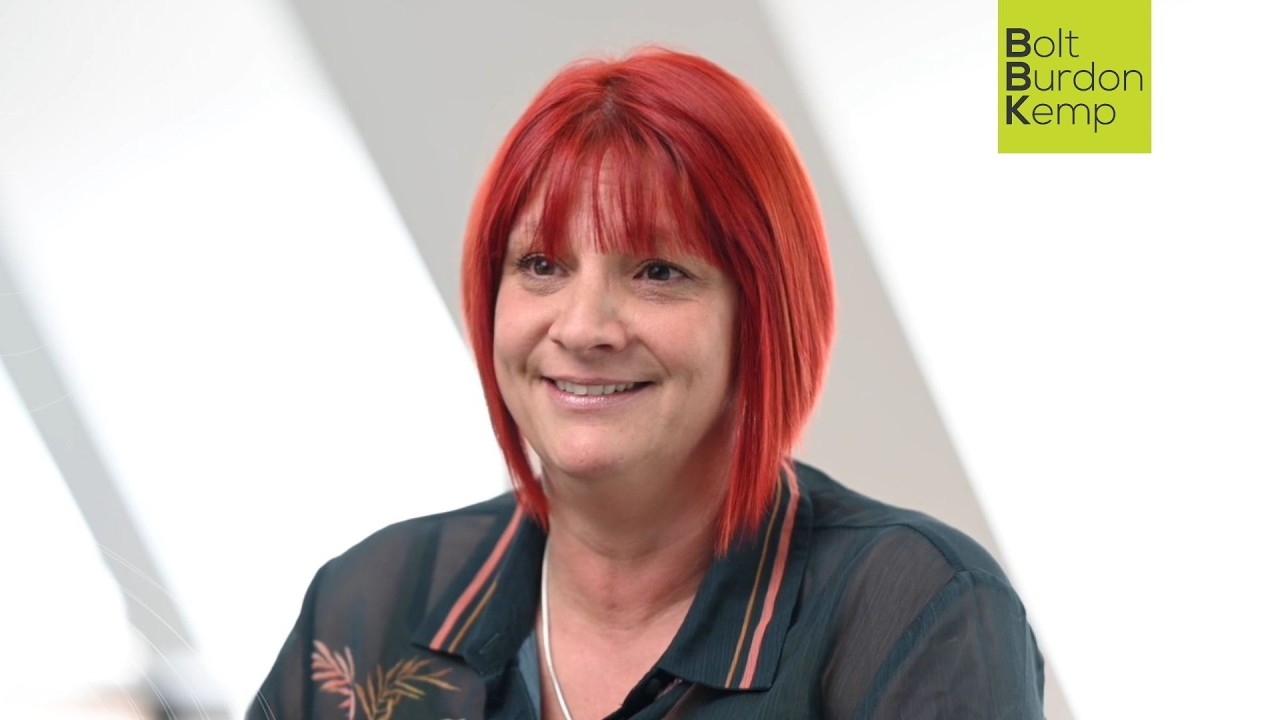
Hear how we supported our client Jennifer with her medical negligence claim

See all of our accreditations

Expert support following medical negligence

When treatment goes wrong, the explanation you are given does not always account for it. You may have been told that this was a recognised risk, or that nothing could have been done differently, and still be left with the sense that it does not fit what you experienced. Wanting to establish what actually happened is reasonable, whether the treatment was recent or some years ago.

Medical negligence claims are about more than compensation. They can help you understand whether something went wrong with your care, secure financial support for the life you have ahead and, in some cases, help fund rehabilitation, care and other support before the claim has concluded.

At Bolt Burdon Kemp, our specialist medical negligence solicitors help people across England and Wales bring claims involving NHS and private healthcare. We have 40 years’ experience supporting people after serious and life-changing injury, with our clinical negligence team recognised by leading independent legal directories.

We know that people often come to us without having all the answers. You may still be trying to understand why your condition deteriorated, whether different treatment could have changed the outcome or what evidence exists about the care you received. Our role is to listen, investigate those questions and explain clearly whether there may be grounds for a claim.

In some circumstances, where a claim involves significant immediate needs, we can seek interim payments to help fund rehabilitation, specialist therapy, additional care, equipment or adapted accommodation before the claim has settled.

Our team includes solicitors with specialist clinical negligence accreditations and extensive experience handling complex claims. We build each case carefully using the appropriate medical evidence, while making sure you understand what is happening and why.

We will keep asking the questions that are not being answered.

If you are concerned that medical care may have caused avoidable harm, speak to one of our specialist solicitors for an initial free/no obligation conversation. We will listen, answer your immediate questions and explain the next steps.

Your Key Contact

Joshua Hughes

Head of Complex Injury

Joshua is a Partner and Head of our Complex Injury Team, specialising in serious personal injury and medical negligence claims, including amputations, fatalities and high‑value cross‑border cases.

Visit Joshua's profile

Can I claim compensation for medical negligence?

We understand that almost everyone who looks into a potential medical negligence claim values the NHS and knows that most staff are working extremely hard in difficult conditions. However, it is also completely normal to want to understand if something could have been handled differently, and if there is any additional support available to deal with the consequences.

To bring a successful medical negligence claim, we usually need to show two things. First, that the care you received fell below the standard that could reasonably be expected of a competent medical professional, for example a failure to refer a patient with clear symptoms to a specialist when a competent GP would have done so. Second, that this failure caused you avoidable harm, or made an existing condition significantly worse.

It is important to understand that not every poor outcome amounts to negligence. Medicine involves risk, and sometimes treatment does not go as hoped despite reasonable care. What we investigate is whether something went wrong that should not have gone wrong, and whether that failure caused the harm you or your loved one has experienced.

Medical negligence typically falls into one or more of the following categories. It may involve a misdiagnosis, a failure to diagnose, or a delayed diagnosis of a serious condition such as cancer or sepsis. It may involve mistakes made before, during, or after an operation or procedure. It can also involve errors in prescribing drugs or treatment, including failures to obtain your informed consent, or failures to give correct advice about the risks of a particular treatment option.

Claims can arise in almost any medical setting, whether care was provided by the NHS or privately. This includes hospital care, GP surgeries, maternity units and community care. Claims may also involve failings in NHS treatment specifically, where systemic issues have contributed to what happened.

You do not need to know exactly what went wrong or who was responsible before speaking to us. Working out the medical detail is part of what we do. If you tell us what happened and how life has changed since, we can help you understand whether there are reasonable grounds to investigate a claim.

What happens when you contact us?

The first step is a conversation. There are no forms to complete, no documents to gather, and no legal terminology you need to learn beforehand. You can tell us what happened in your own words, at your own pace.  If you need to contact us on behalf of a loved one, we are used to helping in these situations too.

We know that in the early stages, the practical worries can feel just as pressing as the legal questions. You may be thinking about how to fund care at home, whether you can afford time away from work, how to manage a child’s ongoing therapy, or how the family will cope financially in the years ahead. These concerns are part of the picture from the very first call, and they help us understand where support may be needed most urgently.

You will have a consistent point of contact throughout the life of your claim. You will not have to repeat your story to different people each time you get in touch, and you will not be passed between departments. That continuity matters, particularly in medical negligence claims where the investigation may extend over several years.

Whether it is visiting clients at home to ease the burden, being available outside standard hours for reassurance, or arranging conversations around medical appointments and fatigue, we are here when it matters most. We know from experience that compensation is only part of the answer.

If you are already represented but feel that your claim is not receiving the specialist attention it needs, you can still speak to us. We can review the position, explain what has been done so far and give you a straightforward view of your options. Speaking to us does not commit you to changing solicitors.

Once we have a clearer picture, we will begin gathering the evidence needed to investigate. With your consent, we can request medical records, GP notes, hospital records, scan reports and any other documents that help build a full timeline of your care. We take responsibility for this work and keep you informed as the picture develops. Following your initial call, we will ask your consent to gather the relevant records, review those with you, and then advise whether independent expert opinion is needed.

Because medical negligence cases turn on expert opinion, we will usually instruct independent medical specialists in the relevant field to review what happened and give their view on whether the care fell below the expected standard. Instructing an expert and receiving their report takes time, but we will keep you informed throughout so you always know where things stand.

Many medical negligence claims are funded on a no win, no fee basis. This means you do not pay our fees if the claim is unsuccessful, subject to the terms of the agreement. We will explain how funding works in simple language before you decide whether to proceed, so there are no surprises later.

Where the harm is serious and urgent needs have arisen, we will look early at whether an early payment can be sought. An early payment is part of the compensation paid before the claim finally settles, and it can help put important support in place sooner, whether that is rehabilitation, therapy, care, equipment or adjustments at home.

Why choose Bolt Burdon Kemp?

Clinical negligence specialists

Medical negligence claims are among the most technically demanding in civil law. They turn on detailed medical evidence, expert opinion and a careful understanding of both the science and the human impact. BBK has more than 40 years’ experience in serious injury and clinical negligence work, and our team is dedicated exclusively to claimant work. We do not act for hospitals, insurers or medical defence organisations, so our focus is always on the person who has been harmed.

Our clinical negligence team is recommended by The Legal 500 and Chambers and Partners, and appointed to the Law Society Clinical Negligence Panel. BBK is also listed as a Leading Firm in Chambers and Partners 2026 and in The Times Best Law Firms 2026 for clinical negligence and serious injury work. We are Lexcel accredited by the Law Society and members of the AVMA Lawyers Service, so you can be confident that the quality of our work has been independently assessed.

Rehabilitation and practical support

What often matters just as much as the legal case is the support that can be put in place while a claim continues, so recovery is not held back by cost. Where possible, we will consider whether early payments can be sought to fund private rehabilitation, therapy, care at home, specialist equipment or accommodation changes. We work alongside case managers and treating clinicians so the legal case sits within a wider support network built around you.

A firm that will not shy away from difficult cases

Many of the people who come to us have been told elsewhere that their claim is too complex, too contested or not worth pursuing. Where others see obstacles, we look deeper. We are willing to investigate difficult cases and take them to court where that is what justice requires. We do this quietly and thoroughly, and we do not step back from the work needed to build the strongest possible case.

No win, no fee

Many medical negligence clients are represented on a no win, no fee basis. This means you will not pay our fees if the claim is unsuccessful, subject to the terms of the agreement. Where appropriate, we can also arrange insurance to protect you against the other side’s costs. We will explain funding in simple language before you commit to anything, so you understand how it works in practice. You can read more about no win, no fee arrangements on our dedicated page.

A partnership built on trust

We understand that a claim is a very personal experience, and that the relationship between lawyer and client is a partnership built on trust. The most important decision you will make is finding a law firm that fits you. Our people pride themselves on being approachable, empathetic and realistic, and on treating every client with the dignity they deserve.

Meet your Medical Negligence Solicitors

Clients select the firm they feel is right for them, but they stay because of the solicitor. Our people pride themselves on being approachable, empathetic and realistic.

We go beyond legal advice. Whether it’s visiting clients at home to ease the burden or being available at any hour for reassurance and support, we’re here when it matters most.

Josh Hughes
Head of Complex Injury
Hannah Travis
Senior Associate – Part of the Medical Negligence Team
Olivia Boschat
Senior Associate – Part of the Medical Negligence Team
Ellen McGreevy
Senior Solicitor – Part of the Medical Negligence Team

How to claim for Medical Negligence

If you’re worried that the medical care you or a loved one received wasn’t up to standard, it’s important to speak with a medical negligence solicitor as early as possible. Early advice allows your solicitor to investigate what happened and, if you have a valid claim, work to secure the compensation needed for treatment and future support.

Medical negligence claims follow the Pre‑Action Protocol for the Resolution of Clinical Disputes, which sets out how solicitors investigate and present a case. Your solicitor will ask for details about the treatment you received, any financial losses, and with your consent will obtain your medical records from the relevant healthcare providers.

Because strict time limits apply, it’s best not to delay. If you believe your injury or condition may be linked to negligent treatment, getting legal advice promptly gives you the strongest start.

  • Get in touch

  • Funding options

  • Medical Records

  • Expert opinion

  • Letter of claim

See the full process

How long does it take?

Our proactive approach ensures that claims progress swiftly and efficiently without delay. However, most medical negligence claims take 18 months to 4 years to reach a settlement. This is because the claim needs to go through several stages before a settlement can be reached. Book a call or send a message to one of our medical negligence solicitors to find out more.

Client Journeys

In July 2017, our client gave birth via instrumental delivery. A button-hole tear was repaired, but a complete anal sphincter injury was negligently missed, leading to faecal incontinence and a recto-vaginal fistula. She underwent seven failed surgeries and now lives with a permanent stoma. Her career as a compliance officer ended due to complications. The NHS Trust admitted liability early, enabling interim support. In 2023, she received £2.2 million in compensation. At 45, she requires lifelong medical care and adapted housing. Though her life has changed drastically, she now has the financial security to manage her condition and support her family’s future.

Kind words from our clients

Medical Negligence FAQs

Our Insights

Rising cancer rates among under-50s: why age should not be a barrier to diagnosis

New analysis has revealed an increase in several types of cancer among people under the age of 50, highlighting the importance of recognising that cancer…

By Olivia Boschat
BBK Manifesto 2026: Eradicate health inequality

Despite having a national health service, our country suffers from some serious and consequential health inequalities, and these cause profound human and economic damage, creating…

By Hannah Travis
BBK Manifesto 2026: Demand real change with a statutory maternity inquiry

Since our last Manifesto, we have seen the publication of two inquiries into maternal health. Donna Ockenden’s review into 2,500 cases of maternal and neonatal…

By Olivia Boschat
Only a third of Black mothers say mental health support was good, survey finds in…

Black women are being let down by poor mental health support before, during and after pregnancy, a new report suggests. Only a third of Black…

By Lucy Wakeley
How are care costs calculated in a serious injury claim?

A serious injury can change the most ordinary parts of daily life. Getting dressed, preparing a meal, looking after children, driving or simply getting around…

By Cillian Davis
Our client’s story – how we supported Lorna through a fatal medical negligence claim

Lorna approached Josh Hughes, Head of our Medical Negligence team, after her husband James unexpectedly passed away from a pulmonary embolism at the age of…

Read all posts

Some kind words from our clients...

View all Google reviews

We’re here to help you.

Want to talk to one of our experienced lawyers? We can call when it suits you for a no-obligation, strictly confidential chat.

Your browser is out of date. Please update your browser.

This site (and many others) provides a limited experience on unsupported browsers and not all functionality will work correctly or look its best.