BBK Manifesto 2026: Make Britain’s most dangerous industries safer for workers

Every worker has the right to return home safely at the end of the working day. Yet construction and agriculture remain two of the most dangerous industries in the UK, with workers suffering life-changing injuries and fatalities in incidents that are, in many cases, entirely preventable. From falls from height and unsafe machinery to vehicle incidents and failures in health and safety management, the risks are well known. Yet despite a comprehensive legal framework designed to protect workers, too many people continue to be exposed to unacceptable dangers.
The UK has some of the strongest health and safety legislation in the world. The challenge is increasingly not the absence of regulation, but ensuring that existing duties are consistently implemented, properly monitored and effectively enforced.
BBK’s Manifesto for Injured People sets out practical measures to strengthen these protections, from greater resources for enforcement and tougher sanctions, to better training, reporting and oversight in construction and agriculture.
Construction: preventing avoidable harm
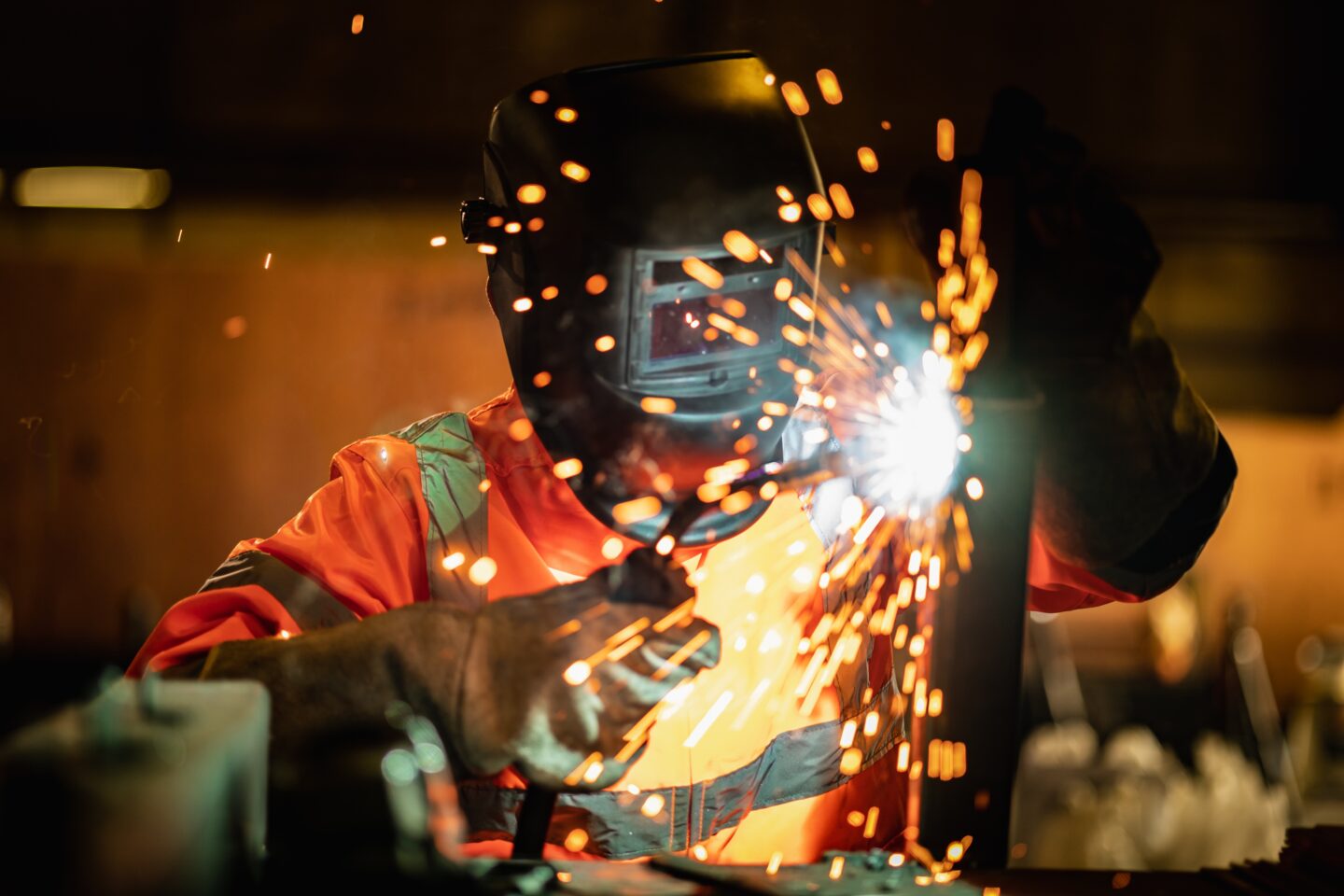
Construction continues to account for a disproportionate number of workplace deaths and serious injuries. Workers regularly face hazards associated with working at height, moving vehicles, unsafe equipment, poorly managed sites and exposure to harmful substances such as silica dust.
The legal duties placed on employers and those responsible for construction projects are clear. However, many of the most serious incidents arise because established safety procedures are not followed. Failures in planning, supervision and risk management continue to have devastating consequences for workers and their families.
Robust health and safety legislation can only be effective if it is properly enforced. The Health and Safety Executive (HSE) plays a vital role in regulating workplace safety, but concerns have long been raised about the impact of resource constraints on inspection and enforcement activity. Providing the regulator with greater resources would help ensure employers are meeting their legal obligations and unsafe practices are identified before serious incidents occur.
There is also a strong case for tougher sanctions where organisations repeatedly fail to comply with their health and safety duties. While many employers invest significantly in maintaining safe working environments, those who consistently place workers at unnecessary risk should face meaningful consequences. Profit should never come before people’s safety.
Greater accountability for principal contractors should also be considered. On large construction projects, principal contractors have a key role in managing site-wide health and safety across multiple contractors and subcontractors. Strengthening accountability would encourage consistent safety standards throughout the supply chain.
Particular attention should also be paid to agency workers, subcontractors and temporary workers who can be especially vulnerable to unsafe working practices. These individuals may feel unable to raise concerns for fear of losing work. Enhanced protections and accessible reporting mechanisms would help ensure every worker receives the same level of protection, regardless of their employment status.
Improving the reporting and investigation of serious near misses could also prevent future tragedies. While fatalities and major injuries rightly attract significant scrutiny, near misses often reveal underlying systemic failures that, if addressed early, could prevent catastrophic incidents.
Silica dust: a growing occupational health crisis
Exposure to respirable crystalline silica remains a significant risk within the construction industry, particularly for workers cutting, grinding and fabricating engineered stone. Silicosis is an incurable and potentially fatal disease caused by exposure to silica dust.
More than 50 UK quartz workers have now been diagnosed with silicosis and four have died. However, occupational health experts have warned that the true number of cases could be significantly higher.
There has recently been some welcome progress. The HSE has introduced new guidance confirming that water suppression must be used when cutting engineered stone, alongside appropriate respiratory protective equipment and health surveillance. It has also announced 1,000 workplace inspections over the next 12 months.
The new measures are a welcome step forward, but there is a strong case for going further. With Australia having already banned engineered stone and trade unions now calling for the UK to follow suit, an outright ban should be seriously considered.
In the meantime, the new requirements must be properly enforced and workers who may already have been exposed need access to appropriate health surveillance and screening. Occupational disease must be given the same priority as preventing workplace accidents.
Protecting workers when prevention fails
No system can eliminate every workplace accident. When serious injuries do occur, workers who have been harmed through no fault of their own must have access to appropriate compensation and rehabilitation.
Employers’ liability insurance is a legal requirement under the Employers’ Liability (Compulsory Insurance) Act 1969 and is designed to ensure injured workers have a route to redress where employer negligence has caused harm. However, businesses operating without adequate insurance can leave injured employees facing unnecessary uncertainty at an already devastating time.
Stronger enforcement through targeted inspections and compliance checks would help employers meet their legal obligations and ensure workers are not deprived of access to compensation when they need it most.
Agriculture: an equally important workplace safety challenge
Although construction often attracts greater public attention, agriculture consistently records one of the highest workplace fatality rates in the UK.
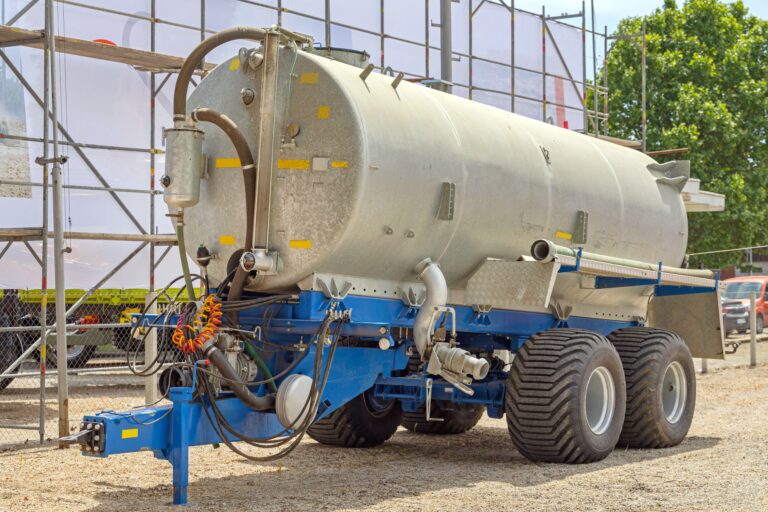
Farmers, agricultural workers and contractors face daily risks from heavy machinery, livestock, falls from height, confined spaces and moving vehicles. Many also work in isolated environments, often on small or family-run farms where access to dedicated health and safety support may be limited.
While the hazards differ from those in construction, many of the underlying challenges are similar. Effective regulation, practical training, strong safety cultures and proportionate enforcement all play a crucial role in reducing preventable harm.
Targeted funding for farm safety inspections and awareness initiatives would help identify risks and improve compliance across the sector. Practical safety training should also be made more accessible, particularly for smaller farming operations that may lack specialist health and safety expertise.
There is also a need for enhanced guidance and regulation concerning agricultural vehicles and machinery, which continue to be involved in a significant proportion of serious and fatal incidents. Improved reporting and investigation of incidents involving both workers and members of the public would help identify trends, share lessons learned and improve safety outcomes across the industry.
Government, regulators and industry bodies should recognise agriculture as a continuing priority for workplace safety reform. A coordinated approach combining education, enforcement and industry engagement is essential if the sector’s persistently high fatality rate is to be reduced.
Our recommendations
As part of our wider Manifesto for Injured People, we believe the following reforms would strengthen protection for workers in these high-risk industries.
Construction:
- Increased resources for the HSE to improve inspection and enforcement activity.
- Tougher penalties for organisations with repeated safety breaches.
- Greater accountability for principal contractors responsible for site-wide safety management.
- Enhanced protections for agency workers, subcontractors and temporary workers.
- Improved reporting and investigation of serious near misses to identify risks before they result in catastrophic injury or death.
- Review of exposure limits for respirable crystalline silica, strengthen enforcement of existing control measures and expand health surveillance programmes for workers in high-risk environments.
Agriculture:
- Increased funding for targeted farm safety inspections and awareness initiatives.
- Greater support for practical safety training, particularly for small and family-run farms.
- Enhanced regulation and guidance concerning the use of agricultural vehicles and machinery.
- Improved reporting and investigation of serious incidents involving farm workers and members of the public.
- A coordinated national strategy on reducing fatalities and serious injuries in the agricultural sector through education, enforcement and industry engagement.
Time to act
Every serious workplace incident raises the same question: could it have been prevented? In far too many cases, the answer is yes.
Construction workers, farmers and agricultural workers perform essential roles that keep the country running and they should not face unnecessary risks because of weak enforcement, inadequate oversight or avoidable safety failures.
The legal framework to protect workers already exists in many areas. The challenge now is ensuring those protections are consistently implemented, effectively monitored and properly enforced.
This blog is part of our 2026/27 Manifesto for Injured People. At Bolt Burdon Kemp, we support injured people not only by winning their cases but by driving positive change. Guided by our clients’ experiences and partnerships with charities across the UK, we are raising awareness of the changes needed to better support injured people. We will continue working with politicians from all parties to ensure injured people’s needs are not overlooked in Westminster or beyond. You can read our full manifesto here.