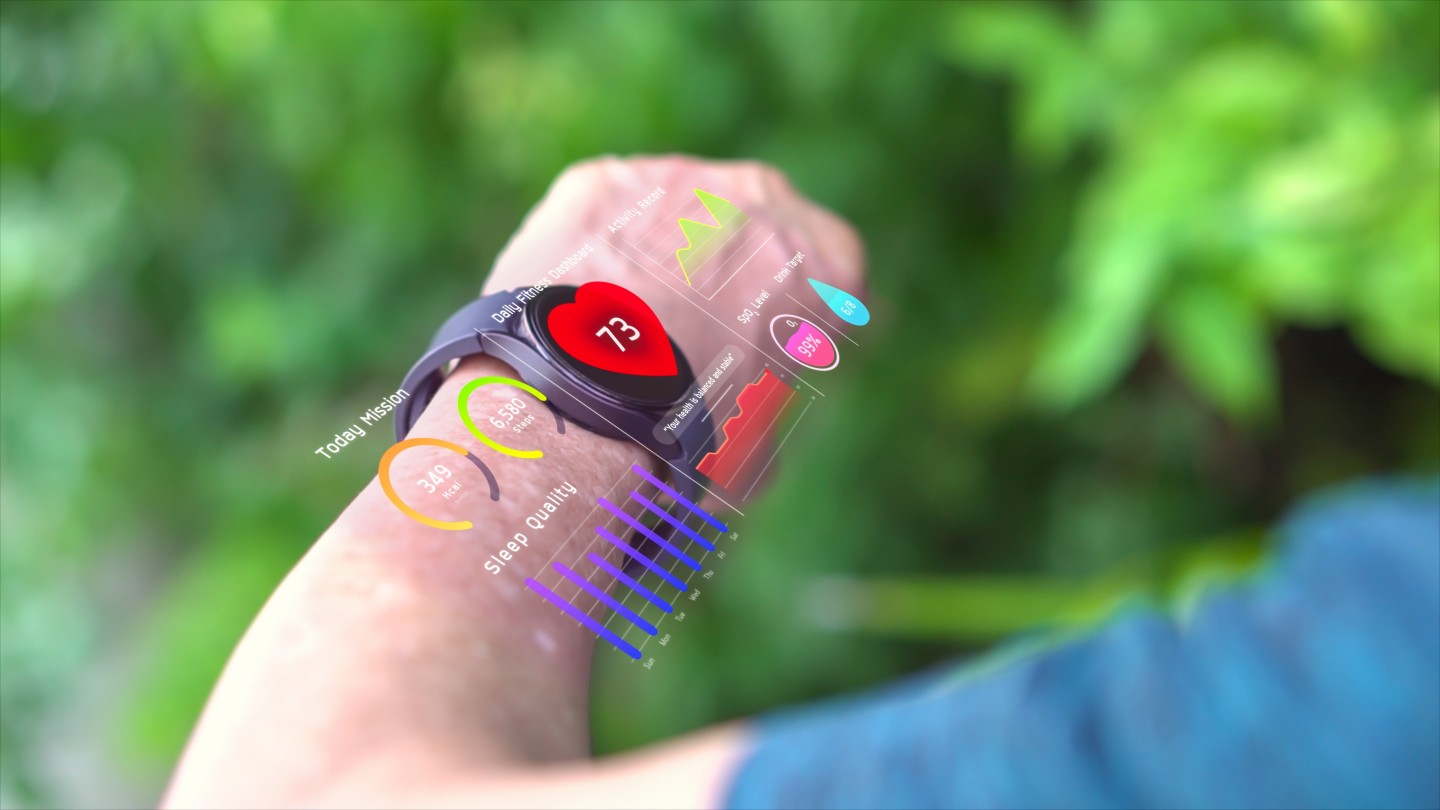
Could your smartwatch help prove your personal injury claim?

Smartwatches, fitness trackers and apps such as Strava now collect detailed information about our activity, including where we go, how far we walk or run, and even how well we sleep.
Although most people use this data to track fitness goals, it may also become relevant if they are injured and bring a personal injury claim.
How fitness data can support a personal injury claim
In serious injury claims, a key issue is understanding how the injury has changed someone’s life.
That picture is usually built from the injured person’s own account, evidence from family, friends and experts, and medical records. However, data from a smartwatch or fitness app may provide another useful source of information.
For example, a device may show that someone routinely walked 10,000 steps a day, ran several times a week or cycled regularly before an accident. If their activity then drops significantly, that data may help to demonstrate the impact of their injuries.
It could be particularly useful where someone has been using the same device or app for several years. Rather than trying to remember exactly how active they were before their accident, there may already be a historic record of it.
What information could be relevant?
Relevant data will depend on the device and the individual claim, but may include:
- Daily step counts
- Walking or running distances
- Exercise frequency and duration
- Cycling activity
- GPS routes
- Changes in general activity levels.
Some devices also record heart rate and sleep data.
Not all of this information will be needed in every claim. As with any evidence, the important question is whether it is relevant to the issues in the particular case.
Have the courts considered wearable data?
Wearable technology is still relatively new in the courts, particularly in personal injury claims, but existing examples show its potential significance.
In June 2017, 51-year-old Paula Leeson drowned in a swimming pool while at a holiday cottage in Denmark. In Leeson v McPherson [2024] EWHC 2277 (Ch), the High Court considered Fitbit data recorded around the time of Ms Leeson’s death and ruled her husband unlawfully killed her. Although this was not a personal injury claim, it provides an interesting example of a court considering evidence from an everyday wearable device.
Expert evidence addressed the data and its reliability, and it formed part of the wider evidence before the court.
Wearable data has also been used in personal injury claims outside reported judgments. In one UK claim involving a runner who suffered a serious brain injury, GPS expert evidence was obtained because he had been wearing a Garmin tracker when he was hit by a car. The claim settled before trial.
These examples show some of the different ways wearable data could become relevant. It may help establish what happened during an accident, or it could help demonstrate how someone’s activity levels have changed as a result of their injuries.
There does not yet appear to be a reported English personal injury judgment in which historic wearable data has been central to assessing a claimant’s level of disability, but I suspect this is something we will see more of.
How reliable is smartwatch data?
Wearable data can be useful, but it has its limitations.
An Apple Watch or Garmin is not an independent medical expert. Devices differ in how they collect and interpret information, and gaps or unusual readings may have perfectly ordinary explanations, such as the device being left charging or simply not being worn.
A step count also cannot tell us everything. Someone may walk 8,000 steps but do so in significant pain, need medication afterwards or spend the following day recovering.
Wearable data should therefore usually be considered as one part of the wider evidential picture, alongside medical evidence, witness evidence and the claimant’s own account of their symptoms.
Could smartwatch data be used against a claimant?
Potentially, yes.
Claimants must give an honest and accurate account of how their injuries affect them. If someone says they have been unable to run since their accident, but their Strava account shows regular runs, they should expect to be asked about that.
However, claimants should not be afraid of being active. We want our clients to recover as well as they possibly can. Walking, returning to the gym, cycling or gradually getting back to a sport you love does not mean that you are not injured.
What matters is that the evidence accurately reflects what you are able to do and the effect those activities have on you.
Recovery is not always linear. Having a good day, or managing to complete an activity once, does not mean that every day is a good day or that you can do that activity regularly and without consequences.
Should fitness or health data be deleted?
If you are bringing, or considering bringing, a personal injury claim, you should not deliberately delete potentially relevant data.
In fact, historic data from a tracker or app may turn out to be helpful in showing what your life looked like before your accident as well as afterwards.
If you think you have relevant data, preserve it and tell your solicitor about it. They can consider whether it may assist with your claim and whether any further evidence is needed to interpret it properly.
Will wearable data become more common in personal injury claims?
I think we probably will see more of it.
We now create far more data simply by going about our everyday lives. An injured person 10 or 15 years ago might have had to rely mainly on their own recollection and the evidence of people who knew them to describe how active they were before an accident.
Today, they may have years of data sitting on their phone recording walks, runs, bike rides and workouts.
That data will not be relevant in every case, and it certainly cannot tell us everything about the effect an injury has had on someone’s life. However, where it is relevant, it may help to build a fuller picture of what someone could do before their accident, what they can do now and what they have lost as a result of their injuries.
If you have suffered a serious injury and have historic data from an Apple Watch, Garmin, Fitbit, Strava or another fitness or health app, mention it to your solicitor. It may be more useful than you think.