Speaking about what happened can feel difficult, especially where the abuse took place years ago or where faith, family, culture, or community ties still shape how you feel about it now. Some people come to us knowing exactly what they want to do. Others are not sure whether they have a claim, whether it is too late, or whether they feel ready to talk at all.
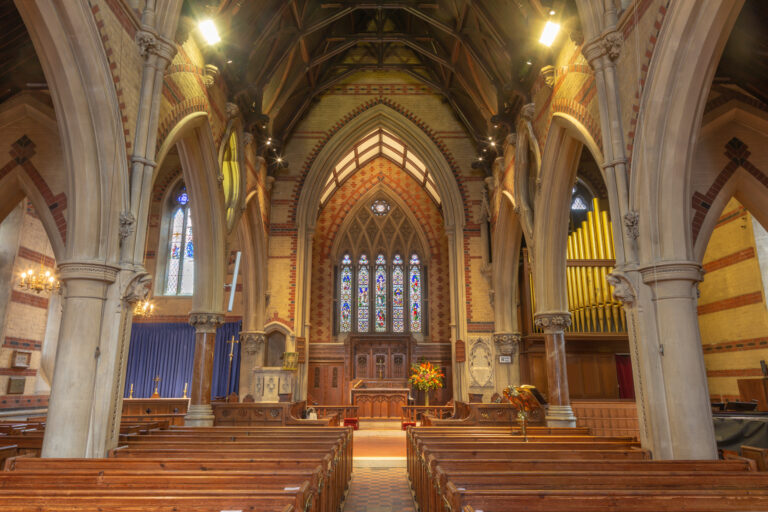
Institutional religious abuse claims are often legally and emotionally complex. They can involve questions about who knew what, which organisation was responsible, whether the institution can be held accountable for the actions of an individual, and how to deal with events that happened long ago. Claims may arise from abuse in places such as churches, mosques, synagogues, temples, religious schools, youth groups, residential settings, or other faith-based organisations.
At Bolt Burdon Kemp, we understand that this is not just about legal principles. It is about a person’s life, their sense of safety, and the impact abuse can have on relationships, mental health, work, education, and trust in others. Our role is to listen carefully, explain your options in plain English, and guide you through the process with sensitivity and respect.
Our personal injury work is recognised in the leading independent legal directories. Bolt Burdon Kemp is ranked in Tier 2 by The Legal 500 2026 and recommended in Band 2 by Chambers & Partners 2026 for personal injury work. The Legal 500 has also highlighted the firm’s specialist abuse practice and the depth of its experience in this area.
If you would like to talk things through, we can offer a confidential initial conversation.
What is institutional religious abuse?
Institutional religious abuse is abuse that takes place within, or is connected to, a religious institution or faith-based organisation. It can involve sexual abuse, physical abuse, emotional abuse, psychological abuse, coercive behaviour, or a pattern of manipulation and control. In some cases, the abuse is carried out by a person with a formal role. In others, it may involve someone whose authority came from the institution’s structure, reputation, or culture.
What often makes these cases different is the abuse of trust around them. A religious institution may have had influence over worship, education, daily life, community standing, or ideas about obedience and morality. That can make it harder to speak out at the time, and harder still to come forward years later.
The law can sometimes allow a claim not only against the person who abused you, but also against the institution that gave them a role, authority, access, or opportunity, depending on the facts of the case. A religious institution may be legally responsible, depending on the nature of its relationship with the abuser and how closely that relationship is connected to what happened.
Why work with us
When you are thinking about a claim arising from abuse within a religious institution, legal knowledge matters. So does the way you are treated.
At BBK, we understand that these cases call for both careful legal analysis and a supportive approach. We know that speaking about abuse may involve shame, grief, anger, loss of trust, or very mixed feelings about faith, family, and community. We will meet you where you are, communicate clearly, and move things forward in a way that feels manageable.
We are used to dealing with difficult evidence, historic events, and well-resourced institutions. We investigate cases thoroughly, focus on the details that matter, and explain the process clearly so that you can make informed decisions at each stage.
We also know that no two experiences are the same. Some people want to move quickly, while others need time before they feel ready to take the next step. We will work in a way that is respectful of your circumstances, keep you updated, and make sure you understand your options throughout.
What to expect if you speak to us
The first conversation is simply a chance to talk. You can tell us as much or as little as you feel able to. We will listen carefully, ask a few gentle questions to understand the background, and explain what the next steps may look like.
You do not need to have every detail ready. Many people remember events in fragments, especially when they are speaking about trauma. You also do not need to have reported the abuse to the police before contacting us.
If it appears there may be a claim, we will explain how the case would usually be investigated, what information may help, and what issues we would need to explore in more depth. We will also be clear with you about what can be said at an early stage and what needs proper investigation before any firm view can be reached.
Where the abuse involves alleged sexual offences, there are statutory anonymity protections in place for complainants for life, and the court may also make anonymity orders where appropriate in civil proceedings. We know how important privacy and confidentiality are in this area and will discuss those issues with you from the outset.
Religious abuse claims we can help with
Institutional religious abuse can arise in many different faith settings and organisations. If your experience relates to a particular denomination or institution, we have more detailed information on some of these claims below.
Catholic Church abuse claims
If your enquiry relates specifically to abuse connected with the Catholic Church, our Catholic Church page gives more detailed guidance on that setting.
Church of England abuse claims
If your enquiry relates to abuse within the Church of England, we also have a dedicated page, as well as separate information about the Church of England redress scheme.
Jehovah’s Witnesses abuse claims
If your enquiry relates to Jehovah’s Witnesses, we have a page focused on claims involving that organisation.
If your experience took place in another religious setting, or you are not sure where your circumstances fit, contact us and we will help you find the most appropriate next step.
What compensation may cover
Compensation in a successful institutional religious abuse claim is intended to reflect the harm caused and, where appropriate, the financial impact of that harm.
For many people, understanding what happened and being able to take a step forward matters just as much as the financial claim itself.
Depending on the circumstances, that may include the pain and distress the abuse has caused, the effect on mental health, the cost of therapy or other treatment, loss of earnings, and the wider effect the abuse has had on daily life and future needs. Every case is different, and the right way to value a claim depends on the evidence.
In some cases, it may also be possible to seek interim payments once a claim is established, to help with urgent needs such as treatment or support. Whether that is available will depend on the stage and circumstances of the case.
Contact us today
Whether you are thinking about abuse in a religious school, a place of worship, a youth group, a residential setting, or another faith-based organisation, we will listen carefully and guide you through your options.
Bolt Burdon Kemp has long experience in sensitive and complex personal injury work, and our abuse practice forms part of that specialist expertise. We are recognised by leading independent legal directories, including The Legal 500 2026 and Chambers & Partners 2026, and we are known for combining legal insight with a human, respectful approach.
If you contact us, we can arrange a confidential initial conversation, answer your immediate questions, and explain the next sensible step. There is no pressure to make any decision before you are ready.