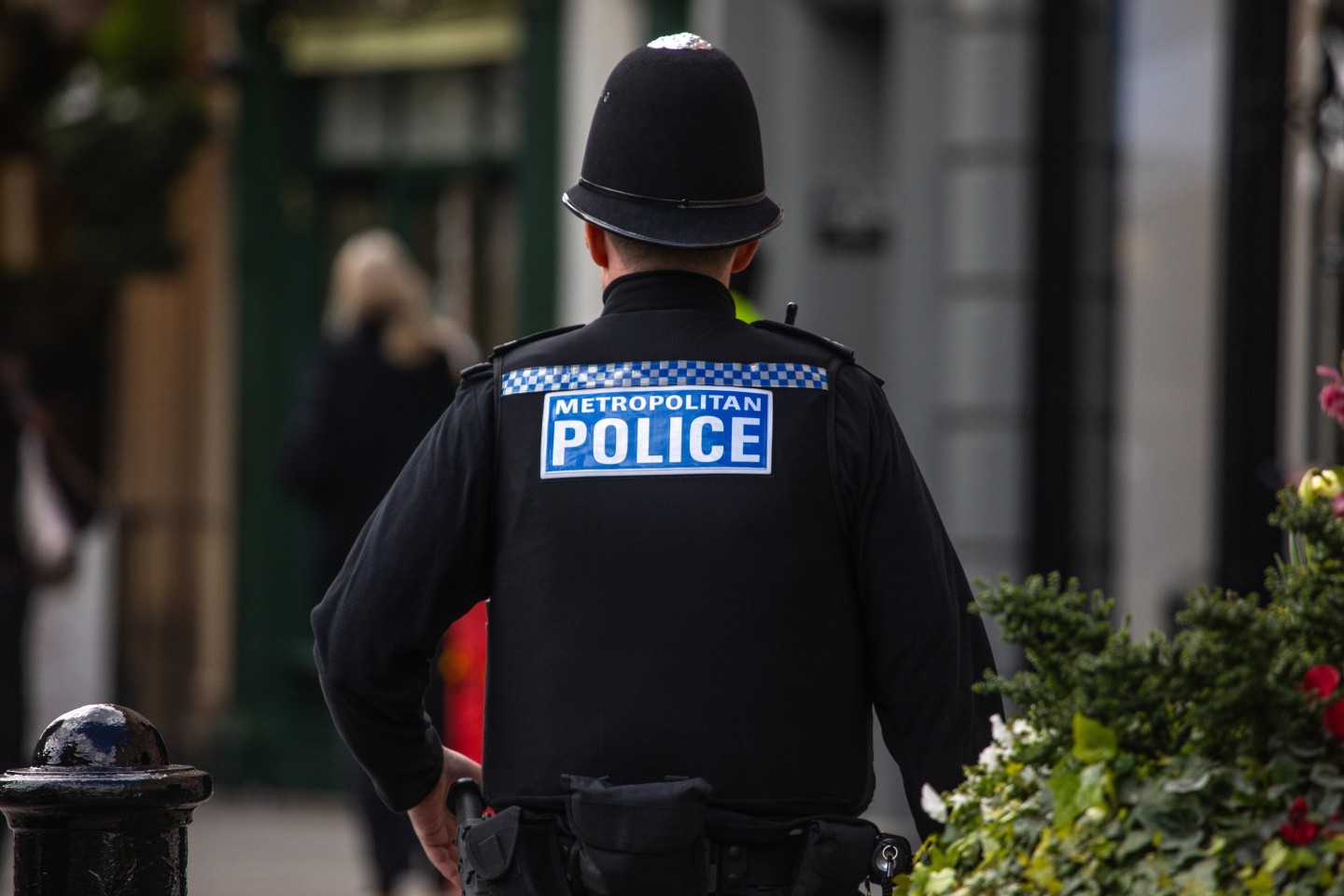
Police abuse allegations highlight urgent need to rebuild survivors’ trust

More than 1,200 domestic abuse allegations involving police officers and special constables have been investigated over three years, raising fresh concerns about abuses of power within policing.
A BBC investigation uncovered 1,280 allegations in England and Wales in the three years to January 2026, including allegations of rape, sexual assault, GBH, stalking and serious violence.
Freedom of Information Act requests were sent to 45 forces, but only just over half responded, meaning the true figure could be even higher.
The findings come as it emerged Devon and Cornwall Police has paid compensation to nine women who claimed the force promoted and protected male officers despite knowing they were accused of abuse. Worryingly, some of these officers served in positions tackling violence against women and girls.
The force previously apologised to the women who claimed they were not taken seriously and reasonable lines of enquiry were not pursued.
These cases raise concerns about how allegations of abuse are handled within some police forces and whether enough is being done to protect those who come forward.
Abuse survivors silenced because they don’t trust police
Reporting abuse is never easy, and many survivors struggle to take that first step because it means revisiting traumatic memories and giving an intimate account to a stranger.
A police force associated with abuse or one perceived to ‘protect its own’ further reduces the incentive for survivors to report both police and non-police abuse. Lack of trust in the police force’s ability to investigate allegations can discourage survivors from coming forward, ultimately silencing them and potentially preventing them from pursuing justice.
Indeed, Chief Constable Chris Todd, the National Police Chiefs’ Council’s Lead for Professional Standards, said the police recognised the “devastating impact” of these crimes and the fear victims may feel about reporting an abuser who was part of the organisation meant to protect them.
It is therefore essential that police continue to scrutinise and reform their internal reporting processes and demonstrate to survivors their commitment to holding abusers to account. This will not only encourage reporting but also help cultivate a safe environment where survivors feel supported and heard.
Help for abuse survivors
If you have experienced sexual abuse by a police officer and would like to understand your legal options, Bolt Burdon Kemp’s Abuse Team offers specialist legal advice. We regularly support survivors who have experienced abuse by police officers.
We know that it can feel daunting to make a claim against an officer of the law. However, we encourage survivors to report these crimes and, where possible, help them to bring a civil claim for compensation against the relevant police force. Trust in our public institutions is crucial, and civil claims are a means by which we can hold public bodies responsible, ultimately preserving faith in these systems.