Ireland tightens e-scooter laws – so why can’t the UK?

Ireland has tightened its e-scooter laws, raising the minimum riding age to 18 amid growing concerns about serious injuries to children. The move highlights the UK’s continued failure to establish a permanent regulatory framework for e-scooters, despite more than six years of rental trials.
Ireland’s new restrictions took effect on 2 October, increasing the minimum age for riders from 16 to 18. The changes follow the introduction of compulsory helmets and high-visibility clothing for e-scooter users in September.
The move puts renewed focus on the UK, where rental e-scooter trials began more than six years ago but the Government has yet to introduce a permanent regulatory framework.
Ireland’s decision follows growing concerns about serious injuries involving children. A report published last year by the Royal College of Physicians of Ireland found that E-scooter incidents have become the leading cause of traumatic brain injuries among children admitted to the paediatric neurosurgical centre at Children’s Health Ireland at Temple Street.
Unfortunately, those injuries were severe. Almost half of the children admitted with traumatic brain injuries required neurosurgical treatment and intensive care. Among those, 80% experienced new cognitive difficulties during their hospital stay, while 40% developed difficulties with movement.
The report also highlighted a significant rise in children attending emergency departments with e-scooter-related injuries, with attendances across Children’s Health Ireland increasing fourfold between 2021 and the projected total for 2025.
Alongside the age restrictions and clothing requirements, the Irish Government has increased the charges associated with recovering e-scooters seized by authorities, reinforcing its wider efforts to improve safety.
E-scooters: What can the UK learn from Ireland?
Ireland’s decision is a welcome recognition of the risks associated with e-scooters, particularly for younger riders, and highlights again the need for a permanent regulatory framework in the UK.
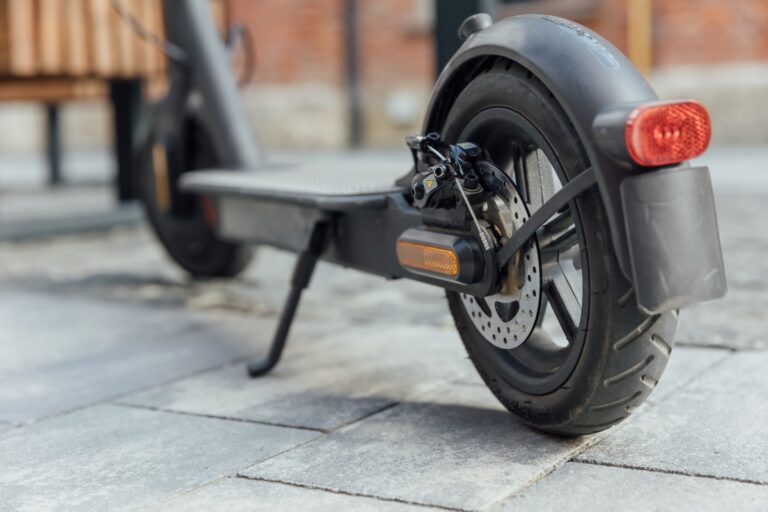
Currently, privately owned e-scooters can legally be purchased in the UK but cannot be ridden on public roads or pavements. Meanwhile, rental e-scooters are permitted on public roads in designated trial areas, provided riders meet the relevant requirements.
This distinction has created considerable confusion. Despite restrictions on their use, privately owned e-scooters are frequently seen in public spaces, with concerns remaining about enforcement, insurance and the safety of other road users.
At Bolt Burdon Kemp, we have been campaigning for clearer legislation to address these issues and reduce the risk of serious injuries.
Our 2026 Manifesto for Injured People calls on the Government to introduce a clear timetable for legislation, establish a formal regulatory framework, improve public understanding of the law and place greater responsibility on retailers.
The consequences of e-scooter collisions can be devastating. Serious injuries, including traumatic brain injuries, can leave people facing lifelong challenges, with significant consequences for their families. The lack of clear insurance arrangements for privately owned e-scooters also creates additional difficulties for people seeking compensation following a collision.
Whilst e-scooters have the potential to provide a convenient and more environmentally friendly transport option, their use must be supported by appropriate safety measures.
Ireland has demonstrated a willingness to strengthen its approach to e-scooter safety. However, legislation must also be accompanied by effective enforcement and greater public awareness if it is to make a meaningful difference.
In the UK, more than six years have passed since rental e-scooter trials began, yet we are still waiting for permanent legislation. Further delays will only prolong uncertainty and risk for riders, pedestrians and other road users.
The Government must now set out a clear plan for regulating e-scooters, ensuring that public safety and the rights of people injured in collisions are at the centre of its approach.