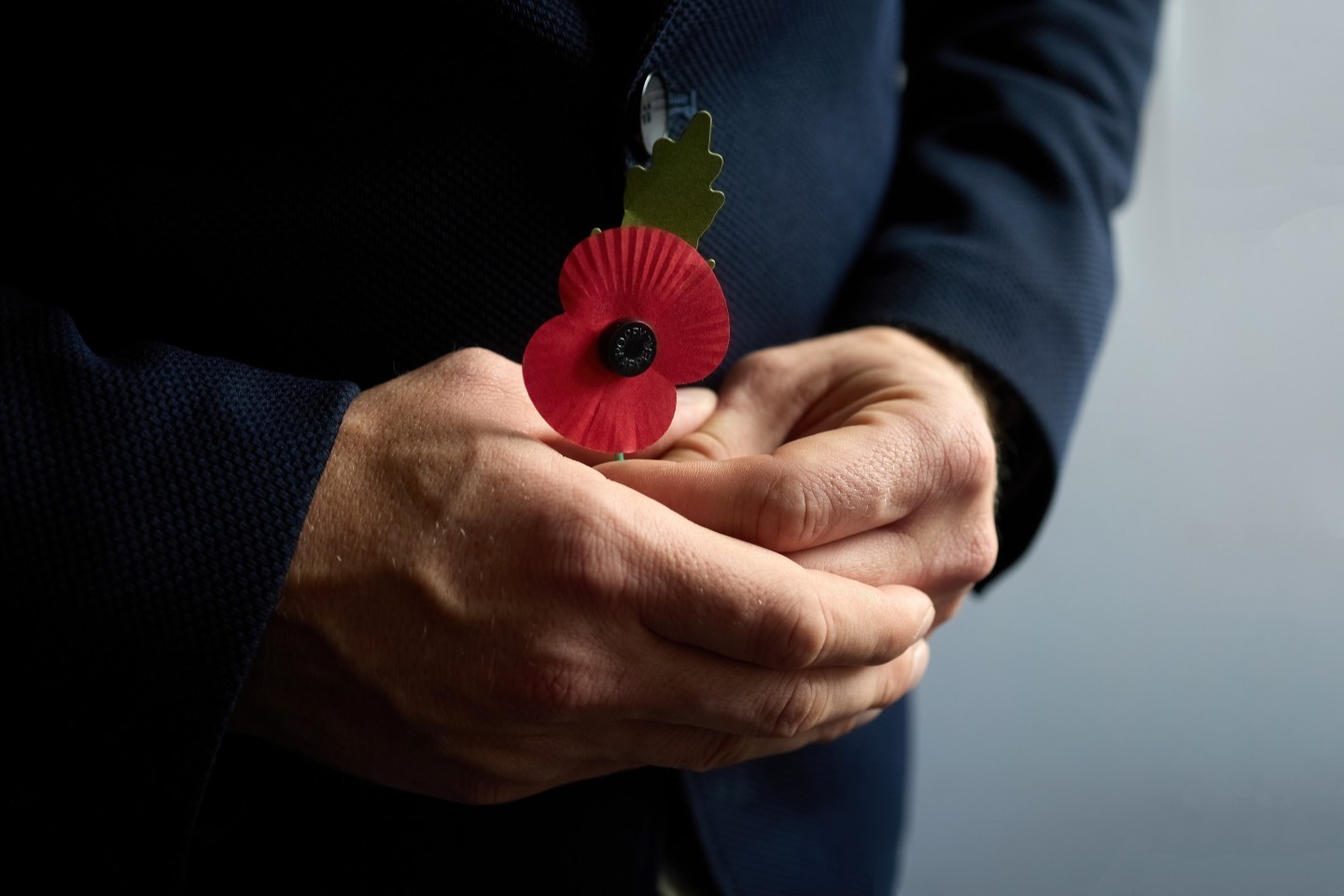
On Remembrance Day, it’s OK to pay your respects in your own way

As a sea cadet in Torquay in the early 1990s, I spent months practising for Remembrance Sunday. I was going to stand guard at our local cenotaph in front of hundreds of people. I wanted to get it right. Standing there in uniform was how I understood paying my respects at that age.
Last year, I marked Remembrance Sunday on a cruise ship whilst holidaying in the Caribbean. What I wore was different, and so was the way we came together. But the people I thought about and the reasons I shed a tear were the same.
Those two experiences, decades apart, remind me how personal Remembrance Day and Remembrance Sunday are. Where we are, what we’re able to do and what we feel up to can all change over time.
What Remembrance means to you
Earlier this year, I visited the National Memorial Arboretum. I read name after name, including those of people I’d served alongside and shared a beer or two with.
For me, seeing those names made me think about the people I knew and the ordinary moments we’d shared. Others might think of a relative whose story was passed down to them, or people they never knew.
For some, Remembrance also recalls those who came home and continue to live with the impact of their service, and the families who live with that impact alongside them.
Even two people who served together can experience the same ceremony very differently. You may find comfort in being among people who understand, or you may want some time to yourself. What feels right can change from one year to the next.
When a public service feels difficult
A Remembrance service can mean standing for a long time, being in a crowd or navigating a place with limited seating. For some people, that can be painful, exhausting or simply impractical. For others, it’s the emotion of the occasion that makes attending hard. Hearing the Last Post or seeing a familiar face can bring feelings to the surface that you’d rather deal with somewhere private.
If you want to attend and need to sit during the silence, it’s OK to sit. If you’d feel more comfortable at the edge of the crowd or need to leave before the service ends, that’s OK too. And if you decide on the morning that you’d rather stay home, you can change your plans without having to explain yourself.
If you’re going with someone, ask what would make it easier for them. That might mean finding somewhere to sit together, agreeing where to meet if they want to step away, or offering to visit the memorial with them another day.
Making time to remember
You might watch a service from home, visit a memorial when it’s quieter, look through some old photographs or call someone you served with and share a story. You might take a moment on a walk or over a cup of tea, whenever you have the space for it.
If Remembrance brings up difficult feelings
Remembrance can bring grief, difficult memories or a sense of loneliness to the surface. You might feel it during a service, on the way home or in the days that follow. If you’d like to talk to someone, “I’ve found Remembrance harder than I expected this year” is enough to start.
Here are some places you can turn:
- Samaritans offers a listening ear to anyone who needs to talk. You can call 116 123 free, any time of the day or night.
- Combat Stress provides specialist support for veterans affected by trauma related to their service and offers guidance for families. Call its free 24-hour helpline on 0800 138 1619.
- PTSD Resolution offers free, confidential therapy to UK Armed Forces veterans, reservists and eligible family members. You can call 0300 302 0551 directly without a GP referral or formal PTSD diagnosis.
- Op COURAGE is the specialist NHS mental health and wellbeing service in England for veterans, reservists and serving personnel preparing to leave the Armed Forces. It can also help families find support.
I’m glad I stood at the cenotaph as a sea cadet. I’m also glad I could pay my respects last year while thousands of miles from home. However you mark Remembrance, whether in public or during a few quiet minutes at home, your way of paying your respects counts.