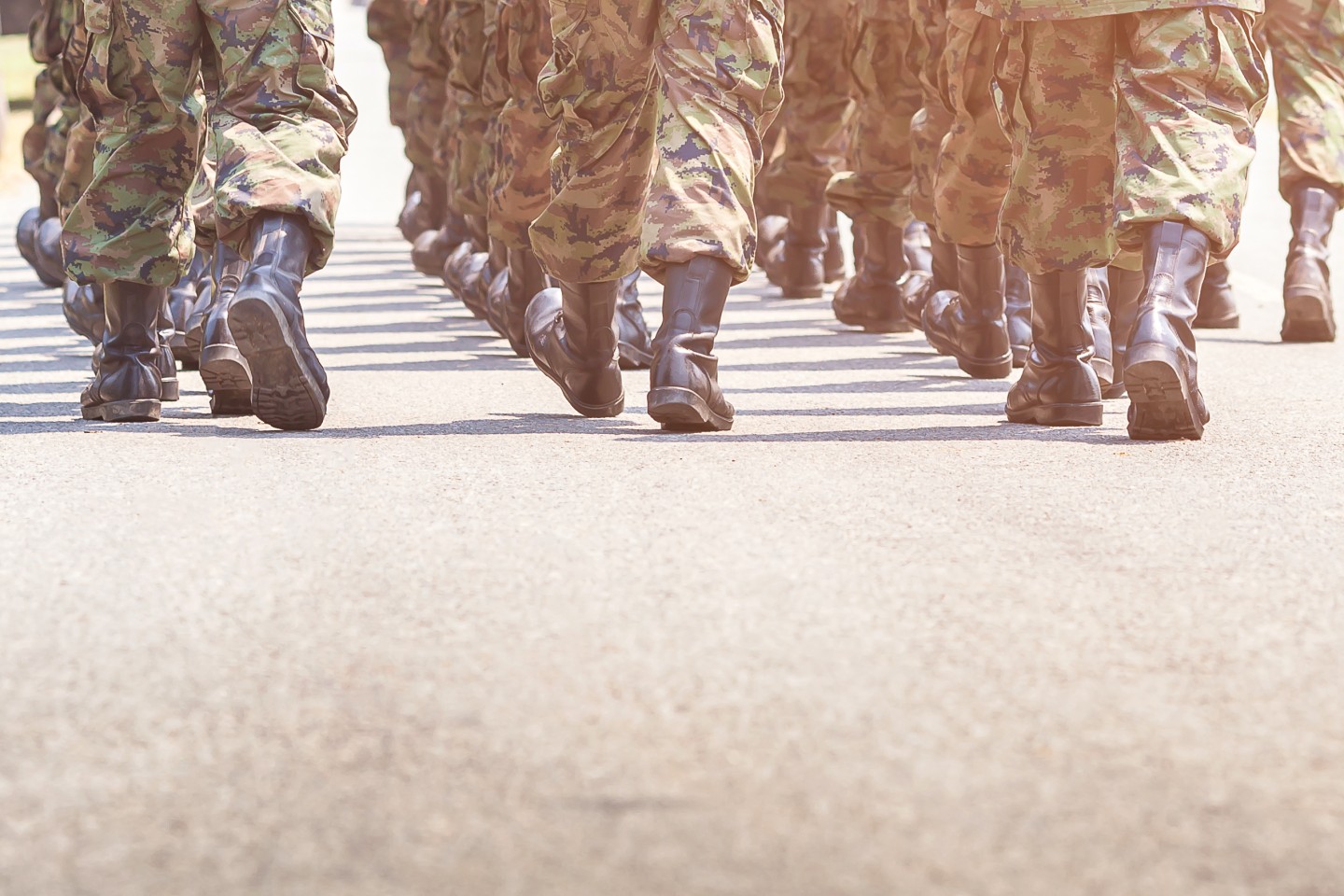
Militarisation or bullying? Understanding the difference in military training

Military training is meant to be tough. It is designed to build discipline, resilience and teamwork under pressure. But when pressure becomes personal, humiliating or psychologically damaging, an important question arises: is this legitimate militarisation, or is it bullying?
Starting any Armed Forces basic training is a huge milestone for young recruits and their families. It represents pride, ambition, and the start of a demanding but often rewarding career.
But in our work at Bolt Burdon Kemp representing serving personnel and veterans in military personal injury claims, we are sometimes contacted by recruits or families who feel something more troubling is happening beneath the surface.
It’s important to distinguish between militarisation and bullying, because it has real legal, psychological, and personal consequences.
Militarisation or bullying?
Militarisation, properly understood, is the process of preparing civilians for military service. It involves strict routines, demanding physical standards, hierarchical command structures, and exposure to controlled stress.
These elements exist for a reason: to ensure recruits can function in dangerous, high-pressure environments where lives may depend on discipline and teamwork. Training will be uncomfortable at times. Homesickness, fatigue, and self-doubt are common experiences in the early weeks.
From a legal perspective, difficulty alone does not make training unlawful. The military is entitled to push people hard.
Bullying is different. It is not about preparation. It is about the misuse of power.
In legal and professional terms, bullying may include repeated humiliation, intimidation, personal ridicule, threats, or being persistently singled out for harsh treatment without a clear training purpose. Where behaviour becomes personal rather than instructional, degrading rather than developmental, it may no longer be legitimate training pressure at all.
When is the line crossed?
The law does not stop at the barracks gate. The Armed Forces are still bound by duties of care, health and safety obligations, equality law, and safeguarding principles. Being in uniform does not remove a recruit’s legal right to be protected from foreseeable harm, including psychiatric injury caused by abusive treatment.
One of the difficulties in this area is language. “Militarisation” sounds institutional, purposeful and necessary. “Bullying” sounds unlawful, personal and wrong. Sometimes behaviour that would be unacceptable in any other workplace is minimised with phrases such as “that’s just how training works” or “you have to be broken down to be built back up”. While mental resilience does need to be developed, there is a line, beyond which pressure stops building strength and starts causing damage.
When pressure becomes constant humiliation, when discipline becomes personal attacks, or when fear becomes the main motivator, the process risks crossing from legitimate militarisation into bullying. At that point, the impact on young recruits can be profound.
One of the most concerning issues we see
Many recruits are living away from home for the first time, desperate not to be seen as weak and deeply worried about harming their future career. We regularly speak to families who describe marked changes in their son or daughter, including anxiety, withdrawal, panic attacks, sleep problems, loss of confidence or emotional numbness. Recruits often say they feel trapped between enduring in silence or speaking up and risking being labelled a “problem”.
This fear of reporting is one of the most concerning issues we see.
Recruits are trained to endure discomfort and follow orders; qualities that are essential in operational environments but risky when they prevent safeguarding concerns from being raised. Silence can allow harmful behaviours to become normalised over time.
That is why it is important for families to stay alert to changes. We recently published a separate article for parents on what to look out for when military children come home for Christmas and other leave periods, outlining key behavioural and emotional red flags. Those warning signs apply just as much during training as they do later in service.
Your rights
From a legal standpoint, if a recruit suffers a recognised physical or psychological injury because of negligent or abusive treatment during training (or at any time during their career), they may be entitled to bring a military personal injury claim. That can include claims linked to bullying, harassment, failure of duty of care, or untreated psychiatric injury.
Seeking legal advice does not mean automatically starting a claim. Often, families simply want to understand where the legal boundaries sit and what options exist if things escalate.
For recruits reading this, struggling during training does not mean you are weak or unsuitable for service.
Ask yourself whether what you are experiencing is clearly connected to learning a skill, building endurance, or developing discipline, or whether it feels personal, humiliating, or psychologically overwhelming without purpose.
You are entitled to medical care, welfare support, and lawful treatment. Speaking to welfare staff, medical professionals, or confidential advisers is not failure. It is self-protection.
For families, if your instincts tell you something is wrong, trust them. Keep a record of concerns, encourage open conversations, and remind your child that asking for help is not disloyalty. Early advice – medical, welfare or legal – can be crucial in preventing long-term harm.
Militarisation used as a shield
So, is the word “militarisation” sometimes used to hide bullying? In our experience, sometimes it is. Not always. Not across the board. But when harmful conduct is persistently reframed as “just how the military works”, without regard to purpose, proportionality or impact, the language of militarisation can become a shield for behaviour that should be questioned.
The strongest Armed Forces in the world are not built on fear or humiliation. They are built on leadership, accountability, trust, and discipline with purpose. Training can be tough without being abusive. Pressure can exist without personal degradation. Those distinctions matter legally, morally and psychologically.
At Bolt Burdon Kemp, our Military Claims Team acts for serving personnel, veterans and families in cases involving training injuries, psychiatric injury, bullying, harassment and failures of duty of care. All enquiries are confidential, and speaking to us does not commit anyone to legal action. For many families, an initial conversation simply provides clarity and peace of mind at a time of uncertainty.
Military training will always be demanding. That is beyond dispute. But demanding is not the same as degrading, and discipline is not the same as domination. Knowing the difference helps protect young recruits – and the integrity of the Armed Forces themselves.
If you’ve been affected by your service, physically or emotionally, you don’t have to face it alone.
Our specialist military claims team approaches each enquiry with empathy, respect and a genuine understanding of the challenges service personnel and veterans can face.
Your story matters, and you deserve support you can trust.