BBK Manifesto 2026: Maintain the momentum with road safety

Since our last manifesto, we have welcomed several positive developments aimed at making the UK’s roads safer for all users, but more needs to be done to protect the public.
Most significantly, the UK Government’s new Road Safety Strategy has been published. This is the first national road safety plan in more than a decade, and its central goal is to reduce deaths and serious injuries on Britain’s roads by 65% by 2035, with an even higher target of 70% for children under 16.
Key proposals include consulting on a lower drink-drive limit, introducing a minimum learning period for learner drivers, mandatory eyesight testing for older motorists, improvements to motorcycle training and wider use of vehicle safety technologies.
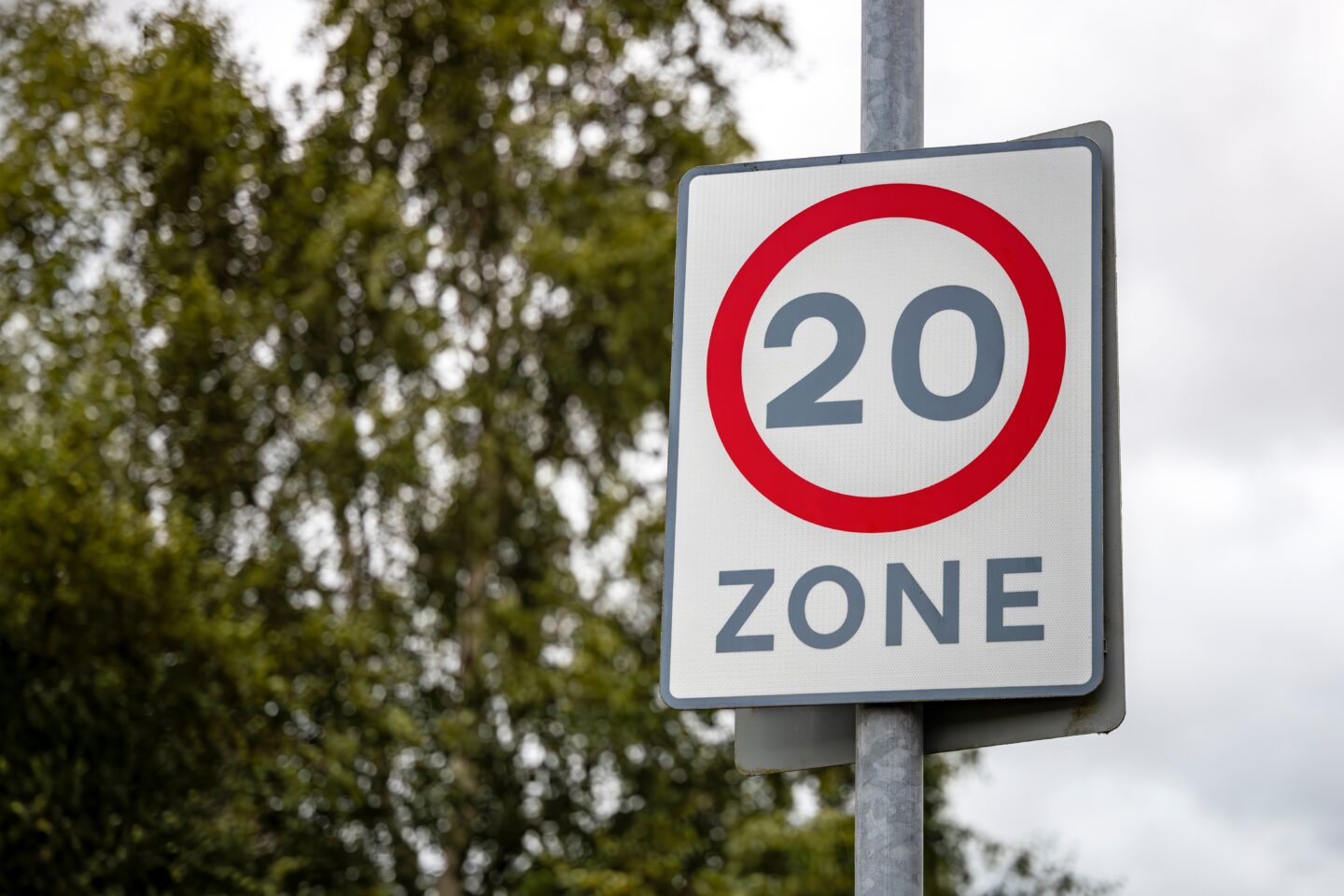
These are all positive proposals, but there is still more to be done, which is why, in our Manifesto for Injured People, BBK is asking the Government to improve infrastructure and expand 20mph speed limits to cover rural areas.
When you look at the figures, the argument for change is clear. In Great Britain in 2025, there were an estimated:
- 1,556 fatalities, a decline of 3% compared to 2024
- 29,910 killed or seriously injured (KSI) casualties, an increase of 4% compared to 2024
- 127,870 casualties of all severities, little change compared to 2024
These figures underscore a continuing challenge: road users of all kinds – motorists, cyclists, horse riders and pedestrians – continue to face unacceptably high levels of risk. While progress has been made in some areas of road safety, protections remain insufficient.
What the Government must do
Road safety requires a coordinated and comprehensive approach. We call on policymakers to take the following actions to protect all road users:
- Expand 20 mph zones
New guidance from Active Travel England recommends that speed limits on rural roads should be no higher than 20 mph, alongside measures such as narrower carriageways, additional bollards and the removal of centre lines to help reduce vehicle speeds. Most country lanes are currently subject to the national 60mph limit, although actual driving speeds are often lower due to road conditions. The guidance is intended to support councils in designing safer rural infrastructure, particularly given that nearly two-thirds of road deaths in Great Britain occur on rural roads despite them carrying less traffic.
Although councils are not legally required to follow the guidance, it has been developed to promote best practice and support safer road design. However, when lives are at stake, guidance alone is not enough. We urge local authorities to give these recommendations serious consideration and, where appropriate, implement them to help reduce speeds, prevent collisions and make rural roads safer for everyone.
- Continue to prioritise infrastructure investment for vulnerable road users
Positively, we have seen movement on this point with the Government’s third cycling and walking investment strategy, ‘Active Travel – Active England’. Complementing the Government’s Road Safety Strategy, this strategy aims to make active travel safer, including funded local active travel networks, a national Safe Routes to School programme, expanded community initiatives to encourage walking and cycling, and new housing developments designed with high-quality active travel infrastructure from the outset. Over five years, the UK Government has committed £4.5 billion to active travel, which will deliver 5,000 new routes and 10,000 safer crossings.
However, there are valid concerns that this investment, while welcome, will not be sufficient on its own to deliver the step change in safety needed for vulnerable road users. Too many people still cite safety as the primary reason they do not walk or cycle, and casualty rates remain stubbornly high on many roads. Without a sustained commitment to expanding protected cycle infrastructure, safer crossings, lower traffic speeds and high-quality walking routes, the benefits of active travel will be limited to those who already feel confident using the network.
- Improve education and enforcement around seatbelt use
Despite high reported seatbelt-wearing rates, thousands of drivers are still being caught travelling unrestrained. In Devon and Cornwall alone, AI cameras recorded around 6,000 seatbelt offences in the past year, highlighting a gap between claimed compliance and real-world behaviour.
Seatbelts are one of the simplest and most effective ways to prevent deaths and life-changing injuries, including traumatic brain injuries. Yet these figures show that too many people still choose not to wear them, often on short or familiar journeys.
We need renewed action to increase seatbelt use through education, enforcement and behaviour change. Wearing a seatbelt takes seconds, but it can mean the difference between walking away from a crash and a lifetime of rehabilitation.
Call for safer roads across Britain
Recent progress, including the publication of the Government’s Road Safety Strategy and continued investment in walking and cycling infrastructure, demonstrates a renewed commitment to making our roads safer for everyone. These are welcome and important steps, but the data shows there is still more to do, particularly for vulnerable road users.
By building on this momentum through sustained investment, strong leadership and evidence-based interventions, we can create a transport system where everyone feels safe. We now have a real opportunity to translate ambition into lasting change on our roads.
This blog is part of our 2026/27 Manifesto for Injured People. At Bolt Burdon Kemp, we support injured people not only by winning their cases but by driving positive change. Guided by our clients’ experiences and partnerships with charities across the UK, we are raising awareness of the changes needed to better support injured people. We will continue working with politicians from all parties to ensure injured people’s needs are not overlooked in Westminster or beyond. You can read our full manifesto here.