BBK Manifesto 2026: Guarantee a right to brain injury rehabilitation

Every year, thousands of adults and children across the UK experience an acquired brain injury (ABI), yet too many are discharged from hospital without access to the specialist rehabilitation and community support they need to rebuild their lives. The result is a system that leaves many people facing avoidable long-term challenges in education, employment, mental health, independent living and social participation.
Our Manifesto for Injured People calls for a statutory right to rehabilitation for people with an acquired brain injury, backed by greater investment in specialist services, a national framework for rehabilitation and stronger monitoring to tackle regional inequalities.
Access to brain injury rehabilitation remains unequal
Despite repeated commitments, progress has stalled. In June 2026, the Government missed its deadline to publish the long-awaited Acquired Brain Injury Action Plan, prompting the All-Party Parliamentary Group on Acquired Brain Injury, the UK Acquired Brain Injury Forum (UKABIF) and other organisations to call for its immediate publication.
Without a national framework, access to rehabilitation and support remains inconsistent, creating a postcode lottery for patients and families already navigating the life-changing consequences of brain injury.
Acquired brain injury is one of the UK’s most significant – yet overlooked – public health challenges. It affects people of all ages and is estimated to cost the UK economy at least £43 billion annually through healthcare costs, lost productivity and wider social impacts. Yet many survivors continue to face barriers to accessing the treatment and support that can significantly improve outcomes.
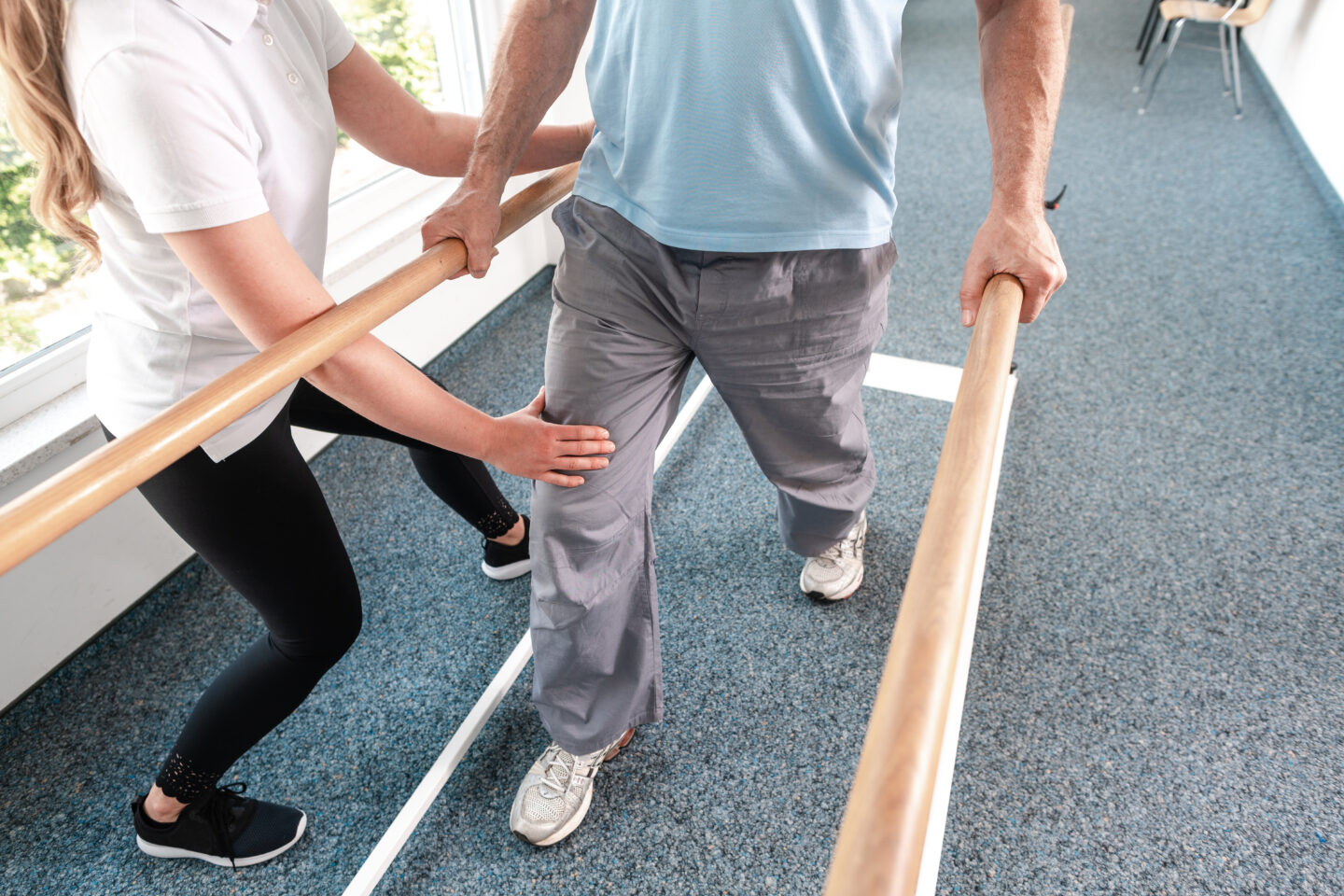
At the heart of the issue is access to neurorehabilitation. Research consistently demonstrates early, specialist rehabilitation can reduce disability, improve independence and support people to return to school, work and their communities. It is also one of the most cost-effective interventions available to the NHS, generating savings across health and social care systems by reducing long-term dependency and preventing avoidable complications.
However, access to neurorehabilitation remains highly variable across the country. While some patients can secure specialist rehabilitation through compensation claims, many others receive little or no support after leaving acute hospital care. This inequity means rehabilitation is too often treated as a privilege rather than an essential component of healthcare.
A 2019 national clinical audit found only 40% of the 1,381 individuals assessed in Major Trauma Centres as needing specialist neurorehabilitation actually received it, according to charity Headway.
Manifesto calls to action
Everyone with an acquired brain injury should have timely access to the specialist support they need. Our Manifesto is therefore calling for the Government to:
- Publish the Acquired Brain Injury Action Plan without further delay and establish a clear national framework for prevention, treatment, rehabilitation and long-term support.
- Introduce a statutory Right to Rehabilitation for all people with an acquired brain injury, ensuring timely access to specialist neurorehabilitation regardless of postcode.
- Invest in specialist rehabilitation services and workforce capacity, including inpatient beds, community neurorehabilitation teams and support for children and young people.
- Strengthen data collection and accountability to measure outcomes, identify gaps in provision and reduce regional inequalities in access to care.
Moving forwards
We have seen one potentially positive development in the last year. In October 2025, the National Institute for Health and Care Excellence’s new guidelines on rehabilitation for those living with acquired brain injuries and other neurological conditions in England were published.
While the guidelines are not mandatory, they recommend rehabilitation needs are identified as early as possible and people have access to coordinated support after discharge and throughout their lives as their needs change.
Commenting at the time of release, Luke Griggs, Chief Executive of Headway UK, said some of the recommendations “could be truly transformative”
However, he also sounded a word of caution, adding: “The potential gains to brain injury survivors, their families and carers, and indeed the public purse will only be realised if the guidelines are acted upon by the Government and commissioning bodies.”
This is why a national commitment to rehabilitation is so important. It would not only improve lives but also deliver significant social and economic benefits. Guidelines are not enough – the Government must act now to ensure that every survivor has the support they need to recover and thrive.
This blog is part of our 2026/27 Manifesto for Injured People. At Bolt Burdon Kemp, we support injured people not only by winning their cases but by driving positive change. Guided by our clients’ experiences and partnerships with charities across the UK, we are raising awareness of the changes needed to better support injured people. We will continue working with politicians from all parties to ensure injured people’s needs are not overlooked in Westminster or beyond. You can read our full manifesto here.