BBK Manifesto 2026: Fixing the UK’s transport accessibility gap

Investing in the UK transport network to make it fully accessible to disabled passengers could boost the economy by £176bn by helping millions more people into work, according to new research.
The Institution of Mechanical Engineers (IMechE), which made the calculation, said the current system was inaccessible to almost a quarter of the working-age population.
Separately, nearly 90 per cent of disabled people said they often or always had difficulties when travelling in a survey for the House of Commons Transport Select Committee last year.
Disabled people are being shut out of work, education and everyday life because of poor transport. That’s why our Manifesto for Injured People calls for greater investment in accessible infrastructure, stronger enforcement of disabled passengers’ rights and a funded national transport strategy with clear accessibility targets.
Public transport spending cuts when we need investment
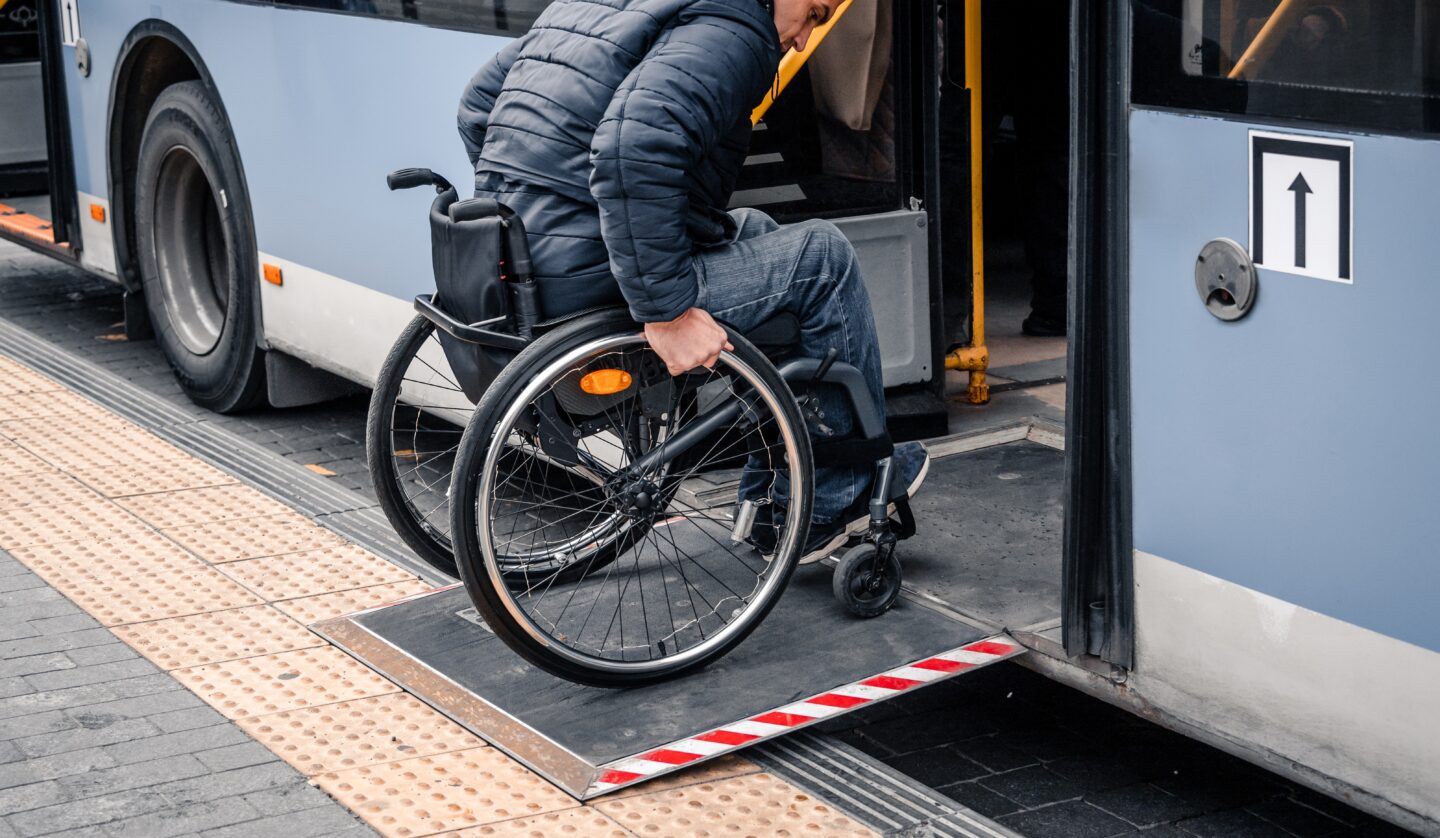
Highlighting a lack of lifts and ramps at stations, large gaps on platforms and a lack of tactile paving and a sensory-friendly environment, IMechE’s report found almost half of disabled professionals have turned down job opportunities because of transport issues. It estimated 2.8 million people were effectively locked out of the workforce because of transport barriers.
This report comes against a frustrating landscape of yet more cuts – former Prime Minister Sir Keir Starmer announced billions of pounds of cuts to infrastructure projects across the UK in June 2026 to help cover a £15 billion increase in defence spending over four years.
But the figures speak for themselves – infrastructure spending would radically improve the lives of many and provide a real boost for the economy. Yet decades of promises and policy frameworks have resulted in rickety, unreliable public transport which isn’t fit for purpose for most disabled travellers.
Journeys can take far longer than they should, and in some cases they are impossible. Our own research found that for a wheelchair user in London, a commute can take up to five times longer than for a non-disabled passenger.
What needs to change
IMechE estimates that creating a fully accessible rail network would cost between £20bn and £24bn over several years. The organisation is urging the Government to encourage private investment through tax incentives for accessibility improvements and to make inclusive design a standard requirement across engineering projects.
There needs to be greater investment in accessible infrastructure. This means designing and upgrading transport networks with accessibility built in from the start, including reliable step-free routes, accessible station layouts, dependable lifts and ramps, and vehicles that meet the needs of all passengers.
Second, there should be stronger enforcement and accountability because current rights under the Equality Act 2010 are not consistently upheld.
Train operators are classed as ‘service providers’ under Part 3 of the Act, which means they have a legal duty to make “reasonable adjustments” so disabled people are not placed at a substantial disadvantage compared with others. This duty covers things like assistance with boarding and alighting, accessible information and ensuring policies do not indirectly exclude disabled travellers. Meanwhile, the design of trains themselves is regulated separately under the Rail Vehicle Accessibility Regulations. A single, user-friendly complaints service and potentially a central enforcement body could help ensure transport providers meet their obligations.
Third, the UK needs a clear, funded, inclusive transport strategy with specific targets and deadlines. This should include full accessibility across the rail network and mandatory disability awareness training for all frontline transport staff.
Why accessibility benefits everyone
A better, more accessible transport network benefits everyone because it makes travel easier, safer and more reliable for a wider range of people, not just disabled passengers. Features such as step-free access, lifts, clear signage and better station design also help older people, parents with pushchairs, travellers with luggage and those recovering from illness or injury.
Improved accessibility can also strengthen the economy by enabling more people to work, study and participate in their communities. When fewer people face barriers to travel, businesses gain access to a larger workforce, employers can recruit from a wider talent pool and local economies benefit from increased spending and social participation.
In short, accessible transport is not a niche issue; it creates a more inclusive, efficient and user-friendly network for everyone.
This blog is part of our 2026/27 Manifesto for Injured People. At Bolt Burdon Kemp, we support injured people not only by winning their cases but by driving positive change. Guided by our clients’ experiences and partnerships with charities across the UK, we are raising awareness of the changes needed to better support injured people. We will continue working with politicians from all parties to ensure injured people’s needs are not overlooked in Westminster or beyond. You can read our full manifesto here.