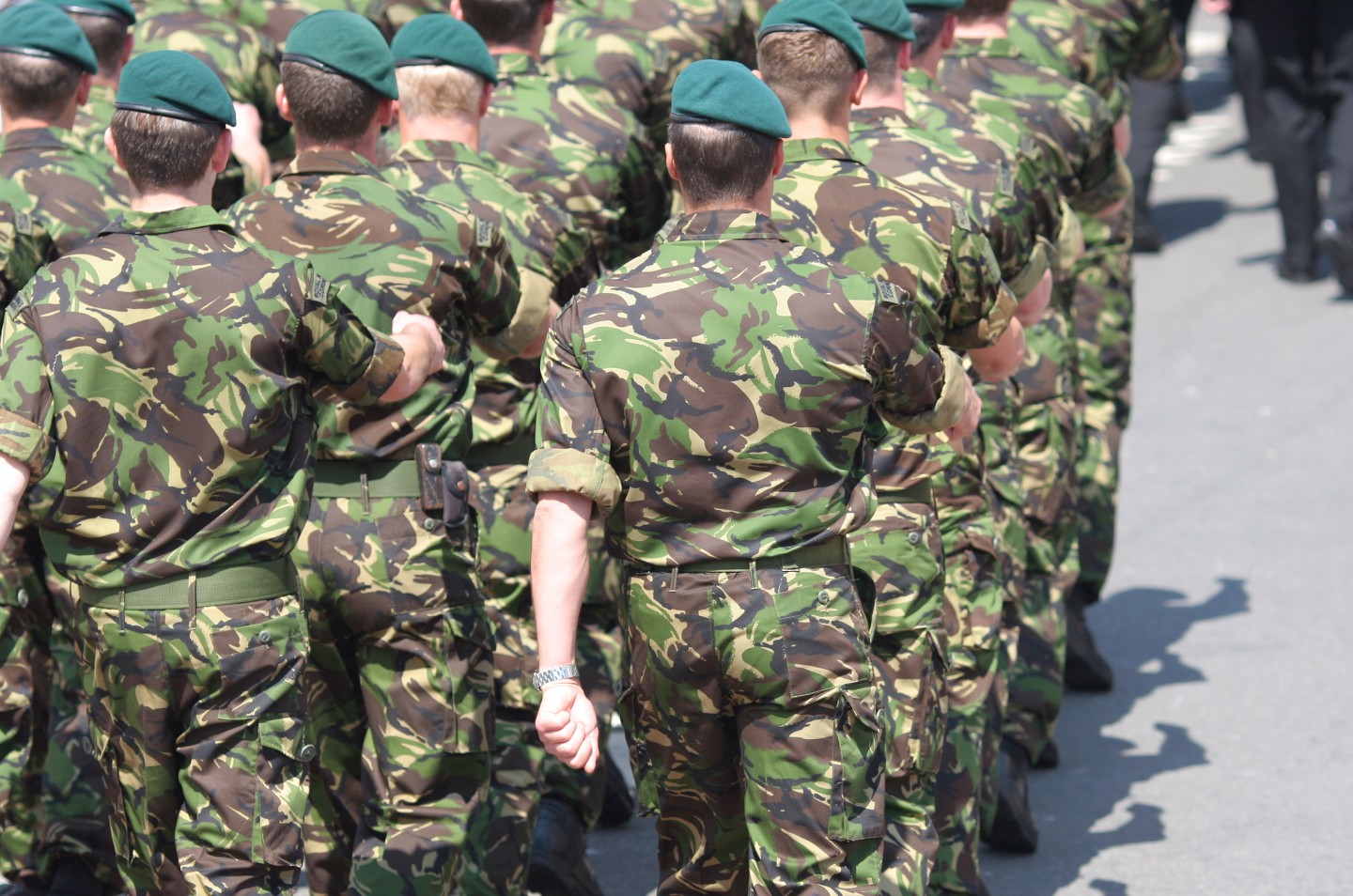
Why young service personnel are leaving the Armed Forces

As a Royal Navy veteran, I’ve seen firsthand the commitment, talent, and enthusiasm that young people bring to the Armed Forces. Many join with a strong sense of purpose, keen to serve, learn new skills, and build a future. Yet retention continues to be a growing challenge. Too often, capable and motivated individuals are choosing to leave earlier than expected.
I see three reasons why – engagement, opportunity, and wellbeing. And the solutions to these don’t require vast financial investment from the Ministry of Defence.
Many young service personnel join expecting challenge, responsibility, and hands-on experience. When those expectations aren’t met – for example, when ships remain alongside, roles become repetitive, or operational opportunities are limited – boredom can quickly set in. Skills go unused, motivation dips, and the sense of purpose that drew them to service begins to fade.
Without meaningful work, even the most motivated individuals can start to feel disengaged and undervalued.
Career progression and promotion bottlenecks
Career development is another critical issue. Promotion task books and advancement pathways are designed to be completed through practical experience and responsibility. But when meaningful tasks are not available, young people can find themselves unable to progress through no fault of their own.
This lack of opportunity creates frustration. When careers stall early, people begin to question whether the Armed Forces can offer the growth and recognition they need to stay long-term.
Today’s young people are ambitious and forward-thinking. They want to earn and learn, to save money, gain qualifications, and work towards tangible life goals such as buying a house or a car. If military service does not clearly support those aims, through progression, transferable skills, and financial stability, many will understandably look elsewhere.
Mental health and wellbeing
Perhaps most importantly, disengagement and stalled progression can take a serious toll on mental health. Boredom, frustration, and lack of purpose can lead to stress, anxiety, and declining morale. Over time, that stress can manifest physically as well as emotionally.
Mental health support is vital, but it cannot be the only answer. True wellbeing comes from feeling useful, valued, and able to progress. Meaningful employment is protective, it gives structure, purpose, and a sense of achievement.
Declining mental health in service personnel can present in many ways, including anxiety, low mood, withdrawal, sleep disturbance, loss of motivation, and physical symptoms linked to prolonged stress. Early medical intervention is critical, yet access to timely mental health treatment can be challenging, with NHS and defence services often under significant pressure.
Where mental health injury has been caused or exacerbated by stress at work or failures in duty of care, a personal injury claim can play an important role in recovery and future security. Such claims are not solely about compensation – they can include provision for private medical treatment, such as psychiatric assessments, counselling, and psychological therapy, ensuring individuals receive appropriate care without delay.
Claims may also reflect the wider and long-term impact of mental health injury, including loss of future earnings, missed opportunities, curtailed military careers, pension implications, and the need to retrain for civilian employment.
The Bolt Burdon Kemp military claims team specialises in supporting serving personnel and veterans with claims relating to their military employment including stress at work and psychiatric injury, providing expert, sensitive advice to help individuals access treatment, recognition, and financial protection for their future.
What needs to change
Improving retention means focusing on more than recruitment targets or financial incentives. It demands a renewed focus on engagement, development, and wellbeing throughout a service person’s early career.
The Armed Forces must ensure meaningful, skill-building roles are available that properly utilise the abilities of young or junior personnel and give them a clear sense of purpose. Alongside this, clear and achievable career progression pathways are essential, with sufficient opportunities to complete promotion task books and gain the experience required to advance.
There must also be better recognition of early warning signs of declining engagement and mental health, particularly among younger or junior service members. Creating clearer, more accessible routes for individuals to raise concerns about boredom, lack of meaningful work, or stalled progression, without fear of stigma or negative career impact, is crucial.
Greater attention should be paid to how downtime is managed, especially during training courses or periods between assignments. Structured development opportunities, meaningful short-term tasking, mentoring, and skills-based projects can help ensure these periods remain productive, purposeful, and supportive of both career progression and wellbeing.
Finally, retention improves when military service aligns with real life ambitions, allowing personnel to earn, learn, and work towards personal goals such as financial security, home ownership, and long-term career stability. When individuals feel engaged, valued, and supported, they are far more likely to commit to a sustained and fulfilling career in the Armed Forces.
If you’ve been affected by your service, physically, mentally or emotionally, you don’t have to face it alone.
Our specialist military claims team approaches each enquiry with empathy, respect and a genuine understanding of the challenges service personnel and veterans can face.
Your story matters, and you deserve support you can trust.