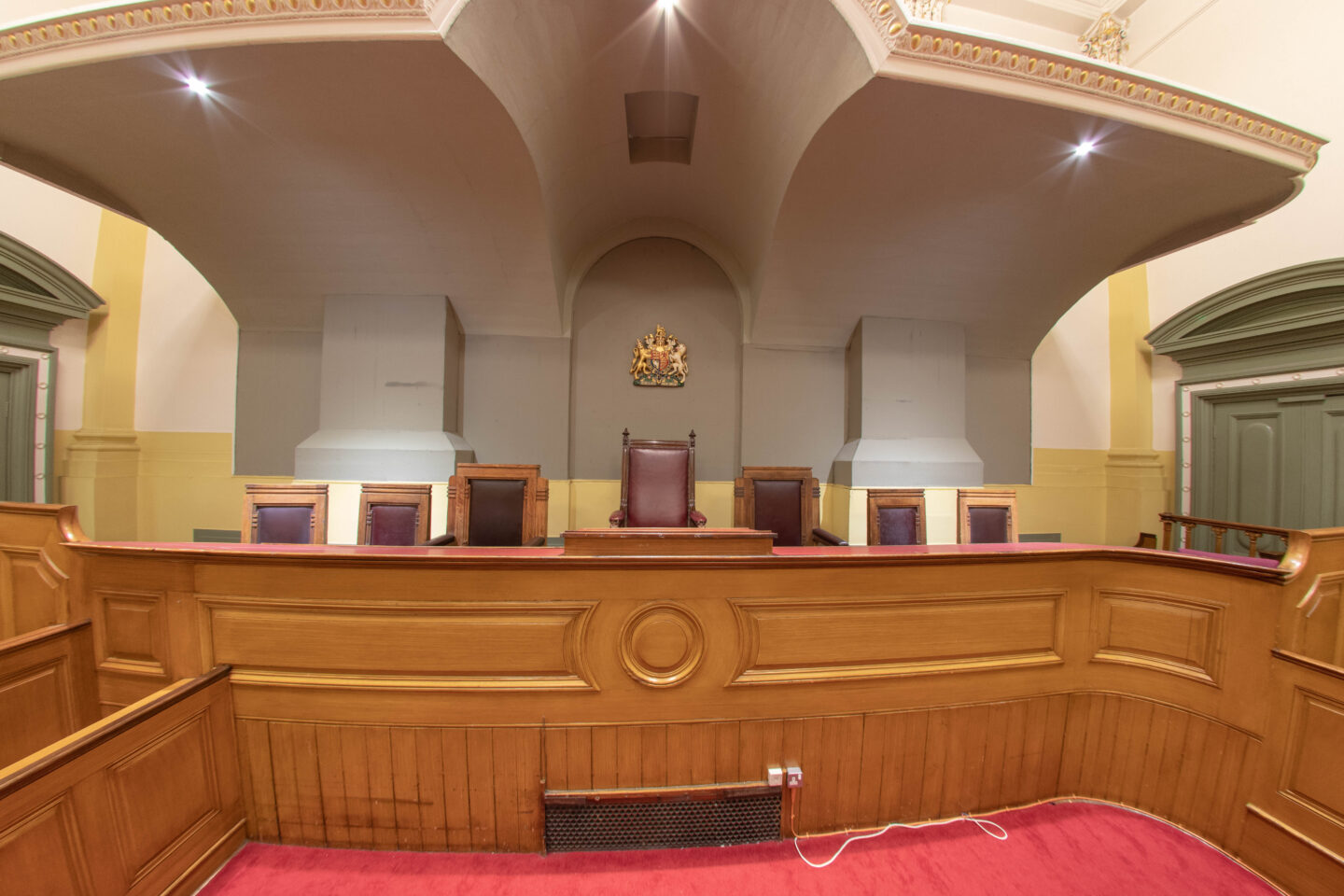
Why military court reforms still fall short

There has been a noticeable shift in how the Ministry of Defence addresses serious offences within our armed forces. Reforms tied to the Armed Forces Bill 2026 have been presented as progress, particularly around handling sexual offences and improving victim support. And to be fair, progress has been made.
But progress is not the same as justice. And right now, it is nowhere near enough.
Recent changes emphasise better coordination between civilian prosecutors and the military system, alongside a greater consideration of victims’ views when deciding whether cases are heard in civilian courts or by court martial.
On paper, this sounds like a meaningful step forward. However, the reality is far more limited.
Victims are still not guaranteed the right to choose where their case is heard. That means their ‘voice’ can be heard, but ultimately overridden.
Rather than empowering victims, this is managing their consent.
The core issue remains unchanged. There are effectively two justice systems operating side by side.
In civilian courts, juries are independent. They are drawn from the public, bringing a degree of separation from the accused and from institutional pressures. Conviction rates, while far from perfect, are significantly higher than in military courts.
In contrast, court martial boards are made up of serving personnel. This raises unavoidable questions about independence, culture, and bias. Evidence over recent years has repeatedly highlighted this disparity. Conviction rates for serious offences such as rape have historically been far lower in military courts than in civilian ones, with critics arguing that service juries may be reluctant to convict fellow personnel.
These statistics raise serious questions about trust.
Speed vs justice
One of the most common arguments in favour of court martial is efficiency. Military trials are often faster, sometimes taking place within months, while civilian courts face significant backlogs.
But speed should never come at the expense of justice.
Framing court martial as the ‘quicker route’ can create subtle but powerful pressure on victims to keep cases ‘in house’. What is presented as efficiency can feel like coercion, especially within a rigid hierarchy where rank, loyalty, and career consequences are ever-present.
A faster process is meaningless if victims feel they have been steered into it.
In-house
This is at the heart of the problem, the military continues to investigate and prosecute itself.
Cases over the years, from abuse investigations collapsing due to mishandling, to high-profile failures in addressing misconduct, have reinforced concerns about institutional self-protection. Even when reforms are introduced, they often stop short of full independence.
As we at Bolt Burdon Kemp and other campaigners have repeatedly argued – including in parliamentary evidence sessions on the Armed Forces Bill – true accountability cannot exist where the system retains control over its own scrutiny.
The cost to victims
For victims, these structural issues are not abstract, they are deeply personal. A system perceived as biased discourages reporting. A lack of control over where a case is heard undermines confidence. And the sense that outcomes may depend on institutional loyalty rather than impartial judgment creates lasting harm.
Recent cases and reporting continue to show dissatisfaction among victims and families, even when charges are brought, because broader systemic failures remain unaddressed.
Real justice comes from a process that’s trusted.
What real reform may look like
If the Government is serious about change, it must go further:
- Guarantee victims the right to choose civilian courts for serious offences
- Remove prosecutorial control from the chain of command
- Ensure fully independent juries for crimes such as rape and sexual assault
- End the presumption of ‘in-house’ justice
Anything less risks preserving the very culture these reforms claim to challenge.
There is progress, and that should be acknowledged. But progress that leaves the core problem intact is not enough.
As long as the military retains the power to try its own personnel, with juries drawn from within its own ranks, justice will remain compromised, and victims will continue to pay the price.
Reform has begun.
But until independence is guaranteed, it cannot be called justice.
If you’ve been affected by your service, physically, mentally or emotionally, you don’t have to face it alone.
Our specialist military claims team approaches each enquiry with empathy, respect and a genuine understanding of the challenges service personnel and veterans can face.
Your story matters, and you deserve support you can trust.