The hidden mental health impact of physical injuries in the Armed Forces

Physical injury and psychological wellbeing
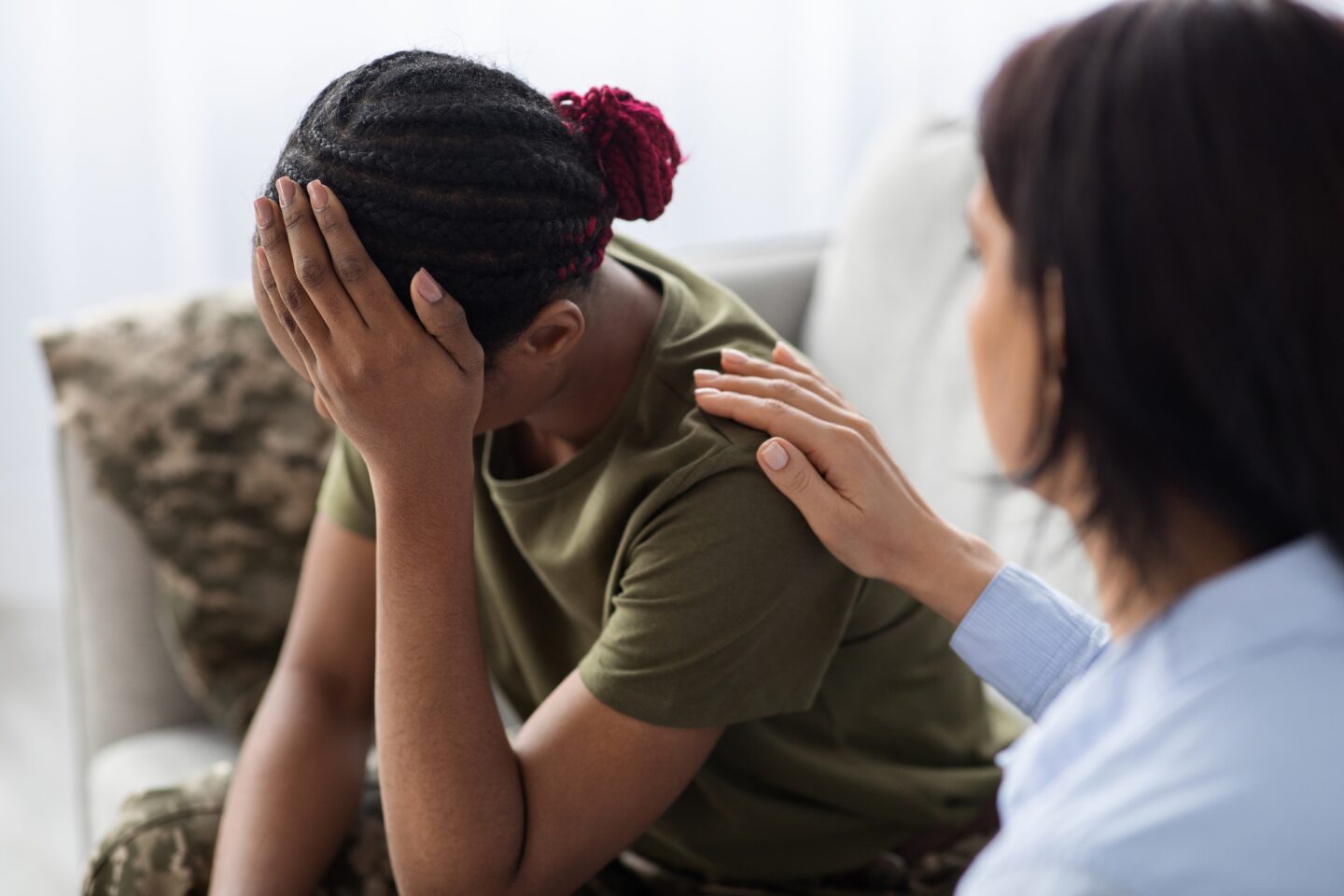
When people think about service-related injuries, the focus is often on the physical impact. However, for many serving personnel and veterans, the psychological effects of injury can be just as significant for mental wellbeing.
During Mental Health Awareness Week, it is important to recognise that recovery from a military injury is rarely only physical. Serious injuries can affect confidence, identity, independence and the future, often bringing emotional challenges that can continue long after physical wounds have healed.
At Bolt Burdon Kemp’s Military Claims team, we regularly work alongside serving personnel and veterans who are adapting to life after injury. While every individual’s experience is different, many face similar emotional and psychological challenges during recovery and transition to civilian life.
When injury changes identity, independence and confidence
For many members of the armed forces, military life is far more than a job. It provides structure, purpose, routine and a strong sense of identity. When a serious injury changes someone’s ability to serve, the emotional impact can be profound. Medical discharge, reduced physical capability or uncertainty about the future can leave individuals feeling as though they have lost not only a career, but also an important part of themselves.
For injured personnel who were once highly active and independent, adjusting to new limitations can be incredibly difficult. Some individuals may experience frustration, embarrassment or feelings of shame as they adapt to life after injury. These experiences can understandably have a significant impact on mental health.
Hidden impacts: chronic pain, anxiety and PTSD
The emotional effects of physical injury are not always visible to others. Chronic pain, reduced mobility and long rehabilitation periods can contribute to anxiety, low mood and isolation. For some individuals, traumatic incidents may also lead to post-traumatic stress disorder (PTSD) or other mental health challenges alongside physical recovery. Recovery is rarely linear. There can be setbacks, uncertainty and periods where progress feels slow or overwhelming.
At the same time, injured personnel may feel pressure to remain resilient or avoid speaking openly about how they are coping emotionally. Within military environments, where strength and perseverance are often deeply valued, some individuals may find it difficult to ask for help or discuss mental health struggles.
The importance of support networks and peer support
No one should face these challenges alone. Support networks can play a vital role in helping injured service personnel and veterans rebuild confidence and maintain positive mental wellbeing. Family members, friends, fellow veterans, charities and community organisations can all provide valuable support during recovery and transition.
Connection and shared experiences can make a meaningful difference. Spending time with others who understand the realities of military life and injury can help reduce feelings of isolation and remind individuals that they are not alone in what they are experiencing.
Rehabilitation, adaptive sport and rebuilding confidence
Initiatives centred around rehabilitation, community and adaptive sport can also have a positive impact on mental wellbeing. Next month, we are proud to attend and cheer on wounded, injured and sick athletes taking part in the Strength of Spirit Games, an inspiring event which brings together injured service personnel and veterans through adaptive sport and competition. Events like this help foster confidence, camaraderie and connection, while demonstrating that recovery and achievement can take many different forms.
Reducing stigma and encouraging help-seeking
While conversations around mental health have improved significantly in recent years, stigma can still exist, particularly within environments where people may feel pressure to appear strong or self-reliant. Encouraging open and supportive conversations remains incredibly important. Seeking support should never be viewed as a weakness. Recognising when help is needed and speaking openly about mental wellbeing takes courage. Whether through professional support, peer networks, sport, rehabilitation programmes or simply checking in with one another, small actions can make a significant difference.
Physical injuries may be visible, but the emotional impact is often far less obvious.
During Mental Health Awareness Week, it is important to recognise the challenges many injured service personnel and veterans face beyond the physical aspects of recovery. Ensuring individuals feel supported, understood and connected remains an essential part of long-term wellbeing.
Our Military Claims team, remains committed to supporting the armed forces community with compassion, understanding and respect, while continuing to encourage conversations around both physical and mental wellbeing.