Reducing re-traumatisation in serious injury claims

A legal claim after a catastrophic injury often begins at one of the most difficult times in a person’s life. At this time of incredible stress, the legal process should help secure treatment and financial support for the future, not add to a person’s distress.
Bolt Burdon Kemp supports its clients with a trauma-informed approach, keeping the person at the centre of the claim and minimising re-traumatisation. It allows evidence to be gathered thoroughly and fairly while recognising how trauma may affect memory, communication, confidence and emotional wellbeing.
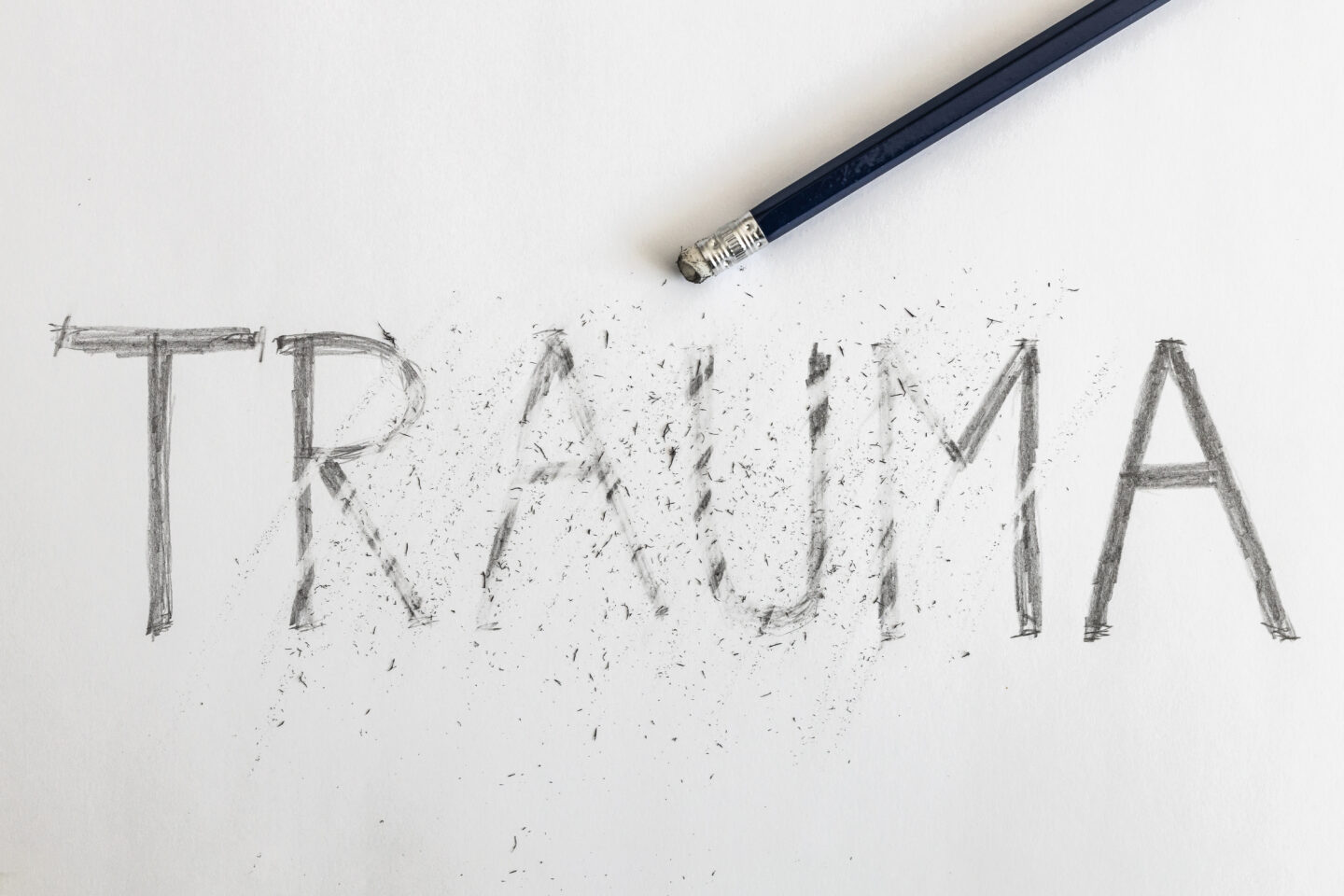
What is re-traumatisation?
Trauma affects everyone differently. After a serious accident or life-changing injury, a person may experience anxiety, distress, disrupted sleep, difficulty concentrating or a heightened sense of vulnerability.
Litigation may require an injured person to revisit traumatic events through witness statements, medical assessments, investigations and discussions about the effect of their injuries. This evidence is often essential to establishing liability and valuing the claim, but repeated or poorly managed retelling can increase emotional strain.
Reducing re-traumatisation means striking the right balance: investigating the claim robustly while responding sensitively to the circumstances of the person providing the evidence.
Rigour and sensitivity can coexist
A trauma-informed approach does not reduce scrutiny or lower evidential standards. Serious injury claims still require careful investigation of liability, complex medical evidence, future needs and financial losses.
The difference lies in how those steps are carried out. A trauma-informed legal team asks:
- Is this information necessary?
- Can it be obtained in a less distressing way?
- Has the claimant been properly prepared and supported?
- Are professionals working together to avoid unnecessary repetition?
Thoughtful evidence gathering can therefore maintain the highest professional standards while limiting avoidable distress.
Early rehabilitation and stability
Early rehabilitation can be transformative after a catastrophic injury. The Rehabilitation Code 2015 provides a framework for early, collaborative intervention by claimant representatives, insurance companies and rehabilitation professionals.
Depending on the person’s needs, specialist support may include:
- Psychological support
- Case management
- Occupational therapy
- Physiotherapy
- Equipment and adaptations
- Assistance with education, training or returning to work
Rehabilitation is not limited to physical recovery. It can also help a person adjust to the emotional and practical consequences of a life-changing injury. When well-managed, it reduces uncertainty and creates stability during an overwhelming period.
Minimising repeated retelling
Serious injury claims often involve solicitors, medical experts, therapists and other specialists. Without careful coordination, an injured person may be asked to describe the accident and its consequences again and again.
A specialist legal team can reduce that burden by:
- Coordinating expert appointments carefully
- Sharing relevant information appropriately
- Avoiding unnecessary duplication
- Preparing claimants for assessments
- Explaining why evidence is required
These steps do not prevent proper examination of the claim. They make evidence gathering more proportionate, purposeful and respectful.
Supporting vulnerable participants
Some injured people face particular barriers when taking part in legal proceedings or giving evidence. Vulnerability may arise from physical injury, psychological trauma, brain injury, communication difficulties or other circumstances.
The courts recognise that additional support may be needed to ensure fair participation. Depending on the circumstances, this may include adapted questioning, communication support or practical arrangements that help a person give their best evidence.
Recognising vulnerability does not weaken the process; it helps ensure that every participant has a fair opportunity to take part.
The value of case management
Specialist case managers, can coordinate rehabilitation so that recovery and litigation progress alongside one another.
A case manager may:
- Coordinate treatment and rehabilitation
- Liaise with medical and support professionals
- Monitor progress and changing needs
- Keep rehabilitation focused on the injured person’s goals
For people with brain injuries, spinal injuries, amputations or multiple serious injuries, the challenges extend far beyond the legal claim. They may affect employment, housing, relationships, independence and future aspirations.
Coordination helps prevent litigation from becoming an additional burden and keeps support focused on rebuilding a meaningful life.
Building a compassionate process
Litigation must establish what happened, who is responsible and what support is needed for the future. None of that requires losing sight of the person behind the claim.
By reducing avoidable distress, communicating clearly and supporting early rehabilitation, the legal process can contribute to recovery rather than becoming another source of difficulty.
Success should not be measured only by the settlement achieved. It should also be judged by whether the process helped the injured person move forward with greater confidence and security.
How we can help
We represent claimants in serious and catastrophic injury cases. Combining rigorous legal expertise with a trauma-informed approach, we work to secure the timely rehabilitation and practical support each client needs.
If you or someone close to you has suffered a serious injury, our team can guide you through the claims process with clarity, sensitivity and care, helping to minimise unnecessary distress at every stage.