Can social media affect your personal injury claim?

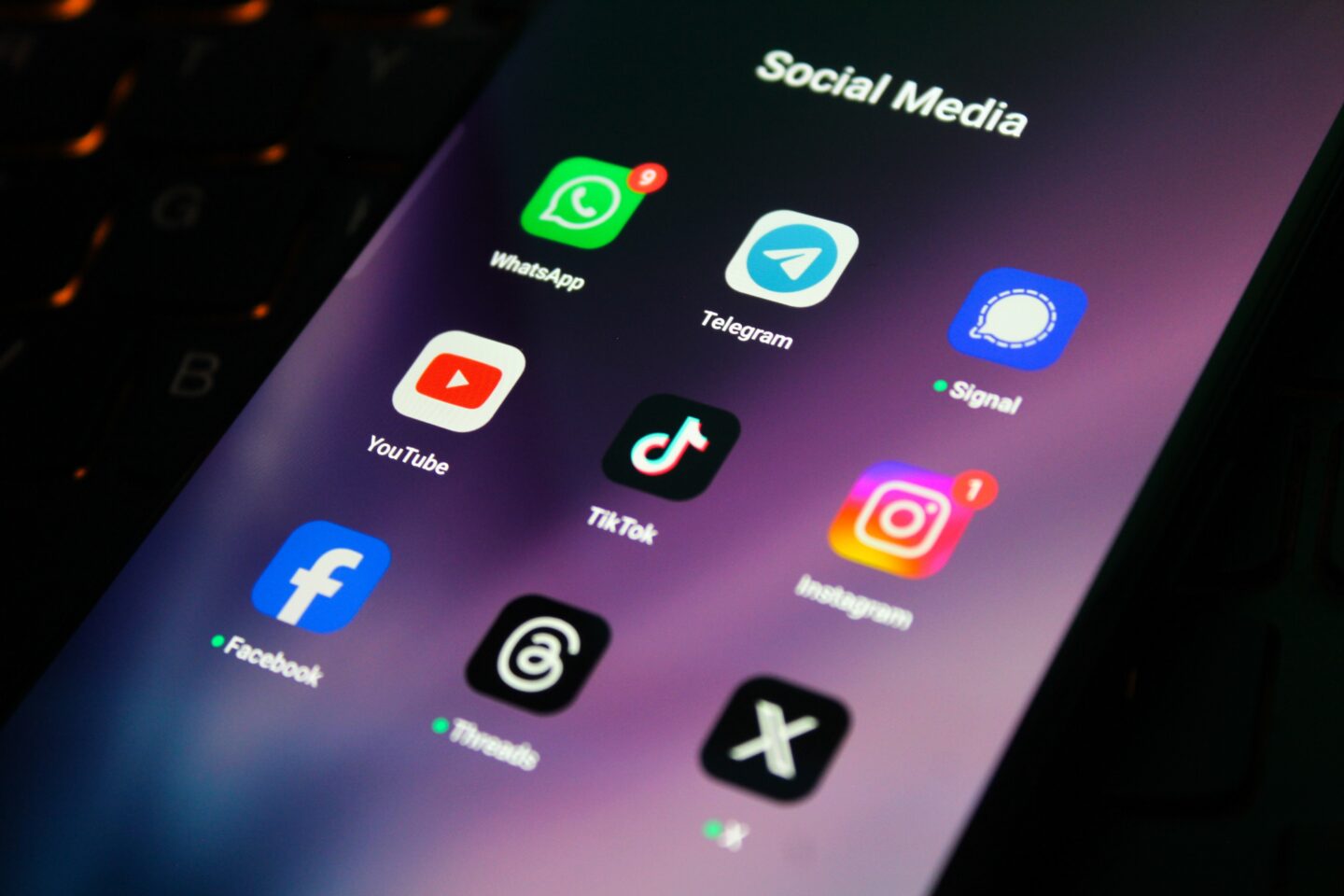
Social media has become a part of everyday life with many of us regularly sharing photographs, status updates and important moments with friends and family online. However, if you are pursuing a personal injury claim, it is important to be aware that your social media activity may become relevant to your case.
Insurance companies and defendant solicitors often review social media accounts as part of their investigations. Posts, photographs and comments can sometimes be used to challenge the extent of an injury or the way it has affected someone’s day to day life.
Understanding how social media can impact a personal injury claim can help injured people avoid potential issues whilst their case is ongoing.
Why social media may be reviewed during a personal injury claim
When someone brings a personal injury claim, they must show how their injury has affected their life. This could include evidence of pain, reduced mobility, psychological impact, the need for care, or the inability to carry out normal activities.
Defendant solicitors and insurance companies may look for evidence that contradicts this narrative. Social media profiles can sometimes provide insight into a person’s lifestyle, activities and wellbeing.
For example, insurers may review:
- Photographs and videos showing physical activity
- Posts about travel, exercise or social events
- Comments about health or daily routines
- Videos showing movement or mobility
- Tagged photographs shared by friends or family
Whilst these posts may appear harmless, they can sometimes be used to argue that an injury is less severe than claimed.
How social media posts can be used as evidence
In some cases, social media content may be presented as evidence during a personal injury claim. This can include photographs, videos, comments or even location check-ins.
For instance, if someone claims their injuries prevent them from carrying out certain physical activities, insurance companies or defendant solicitors may attempt to rely on social media posts that appear to show them doing those activities.
The risk of social media being taken out of context
One of the main concerns with social media evidence is that it can be easily taken out of context. Social media rarely tells the full story – single photograph only captures a brief moment in time and does not show the pain someone may experience before, during or after an activity.
Despite this, such posts still raise questions and can lead to further scrutiny during the claims process.
Someone recovering from an injury may attend a family event or social occasion and appear well in photographs. However, the image does not show the preparation required to attend, the support they may have needed, or the impact the activity had on their recovery afterwards.
Similarly, a short video clip may suggest someone has greater physical capability than they actually do.
For this reason, even seemingly ordinary social media posts can sometimes complicate a personal injury claim.
Are private social media accounts still accessible?
Many people believe that setting their social media accounts to private will prevent their posts from being accessed during legal proceedings. Whilst privacy settings can help limit public access, they do not always provide complete protection.
Content may still be visible if:
- Friends or family members share or repost the content
- Someone tags you in photographs or videos
- Screenshots are taken and shared
- The court orders disclosure of relevant material
In certain circumstances, courts may allow social media content to be examined if it is considered relevant to the issues in the case.
For this reason, it is important for claimants to approach social media carefully whilst their claim is ongoing.
Tips for protecting your personal injury claim online
If you are pursuing a personal injury claim, taking a cautious approach to social media can help reduce the risk of unnecessary complications.
Some practical tips include:
- Being mindful about what you post
Avoid sharing photographs, videos or updates that could be interpreted as contradicting your injury or recovery.
- Review your privacy settings
Setting your accounts to private may limit public access, although it should not be relied upon as complete protection.
- Ask friends and family to be cautious
Even if you are careful about what you post, others may tag you in photographs or posts that you have not approved.
- Avoid discussing your claim online
Posting about the details of your injury, the legal process or your opinions about the case could potentially be used by the other side.
- Follow you solicitor’s advice
Your solicitor will be able to guide you on how to protect your claim whilst it progresses.
Seeking advice after a serious injury
Recovering from a serious injury can be physically, emotionally and financially challenging. Bringing a personal injury claim can help injured people access the support, rehabilitation and financial security they need to rebuild their lives.
Whilst social media may seem unrelated to the legal process, it can sometimes become relevant evidence during a claim. Being mindful about what you share online can help avoid unnecessary complications.
If you or a loved one has been injured and are considering bringing a personal injury claim, seeking specialist legal advice can help you to understand your options and ensure you receive the support you need throughout your recovery.