Group B Strep Awareness Week: The silent infection every expectant parent should know about

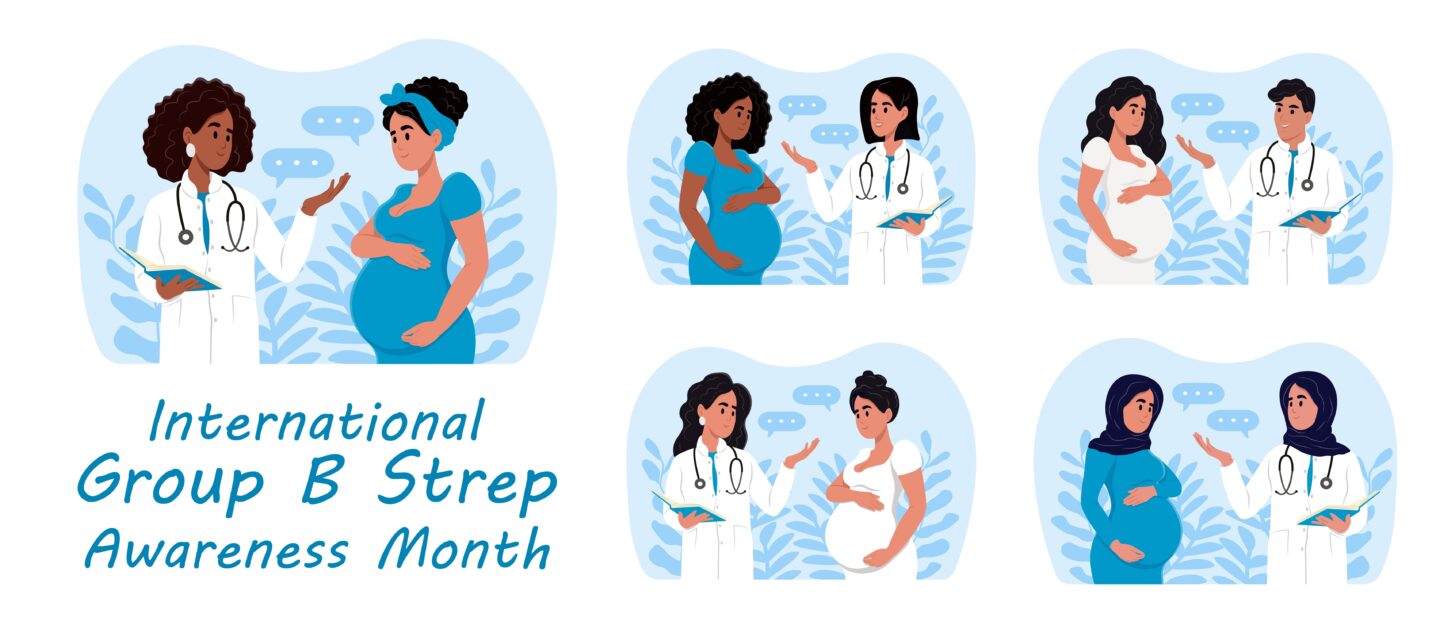
Wednesday 8 July marks the start of Group B Strep Awareness Week, a campaign to educate parents and doctors about the silent infection that can be fatal to newborn babies.
Most people do not know what GBS is because most adults carrying the bacteria will not even know they have it and, if they do, it is usually harmless. But the danger comes if it is passed on to babies during pregnancy, risking serious infections that can lead to brain injury in newborns.
What is Group B Streptococcus (GBS)?
GBS is a type of naturally occurring bacteria that is commonly found in the digestive system and lower reproductive tract of both men and women. GBS can be passed through skin-to-skin contact, including holding hands or close physical contact. However, as the bacteria does not cause symptoms, it is highly likely it will come and go naturally without an adult realising.
It is estimated that around 20% – 40% of women carry GBS but because most of these women do not suffer from any symptoms, this will have little or no impact on their lives.
GBS Awareness Week sees UK charity, Group B Strep Support, educate medical professionals and expectant mothers about the potential impact of GBS during pregnancy, and the importance of early testing.
In her blog, my colleague, Sally, summarises how to test for GBS during pregnancy as well as the categories of GBS infections.
Risk factors for GBS
Although the risk of your baby developing a GBS infection is low, this risk is increased if:
- You have previously had a baby affected by GBS.
- If you have had a positive urine or swab test for GBS during pregnancy – around one in every 400 babies born to women known to carry GBS develops a GBS infection.
- Your baby is born premature (before 37 weeks).
- You have signs of infection including a high temperature during labour.
- Your waters have broken more than 24 hours before your baby is born.
If testing for GBS is positive during pregnancy, this should be recorded in a mother’s notes, and they should receive antibiotics through a drip when labour begins or their waters break. Antibiotics administered at the onset of labour are said to reduce the risk of your baby developing a GBS infection in its first week of life from around one in 400 to one in 4,000.
GBS infection
In the UK, around one in 1,600 babies born each year develops GBS. Babies can develop GBS at different stages, which are generally grouped into three categories:
- Prenatal-onset GBS – when a baby is infected with GBS during pregnancy.
- Early-onset GBS – when a baby is unwell in the first seven days of life, usually within the first 12-24 hours. Around one in every 1,750 newborn babies in the UK and Ireland is diagnosed with GBS in the first six days after birth.
- Late-onset GBS – this is when babies become unwell after the first seven days of life and up to three months.
The infection rate for GBS varies across ethnicities. A 2022 study led by the UK Health Security Agency reported a higher rate of GBS infection in Asian babies (28% higher) and Black babies (51% higher), compared to White babies.
Complications of a GBS infection
A GBS infection could lead to serious conditions such as sepsis, pneumonia or meningitis and, in some cases, it is fatal.
Even with treatment, one in every 16 babies who develop Group B Strep infection during their first three months die, and around one in every 10 of the survivors have a long-term disability.
It is therefore important that a GBS infection is treated quickly. The treatment is high-dose antibiotics through a drip, and most babies will be treated effectively with penicillin.
It is important that the antibiotic treatment continues for as long as the infection is present. Sometimes a transfer to the NICU (Neonatal Intensive Care Unit) will be needed for additional care. A longer course of antibiotics will be necessary if a baby is suffering from meningitis.
Before your baby is discharged, it is important to ensure they have recovered from the infection, and they will have blood tests and be examined by a paediatrician before they can go home.
‘Rosie’s’ Story
The Child Brain Injury team at Bolt Burdon Kemp has acted for ‘Rosie’, a child who developed a GBS infection through her pregnant mother, who was a carrier. Rosie sustained a severe brain injury and was diagnosed with cerebral palsy and epilepsy, and she has severe disabilities.
BBK successfully argued that Rosie’s hospital failed to treat her mother with antibiotics for her infection. The hospital admitted fault and, as a result, we were able to secure compensation worth millions of pounds for Rosie, which is helping to meet her essential needs. This includes suitable accommodation, 24-hour nursing care, therapies, aids and equipment and psychological support for her parents.
You can read more about Rosie’s case here.
If you’ve had a baby who’s been affected by an infection caused by GBS and you have concerns that your labour was mismanaged, do get in touch. We can discuss these concerns with you and advise whether we can help.