Carers Week 2026: Recognising the unseen heroes for brain injury survivors

Carers Week, taking place from 8 to 14 June 2026, is an important moment to highlight the extraordinary contribution of unpaid carers across the UK. It is also a time to reflect on the daily realities faced by carers, which may go unnoticed and come at great personal cost.
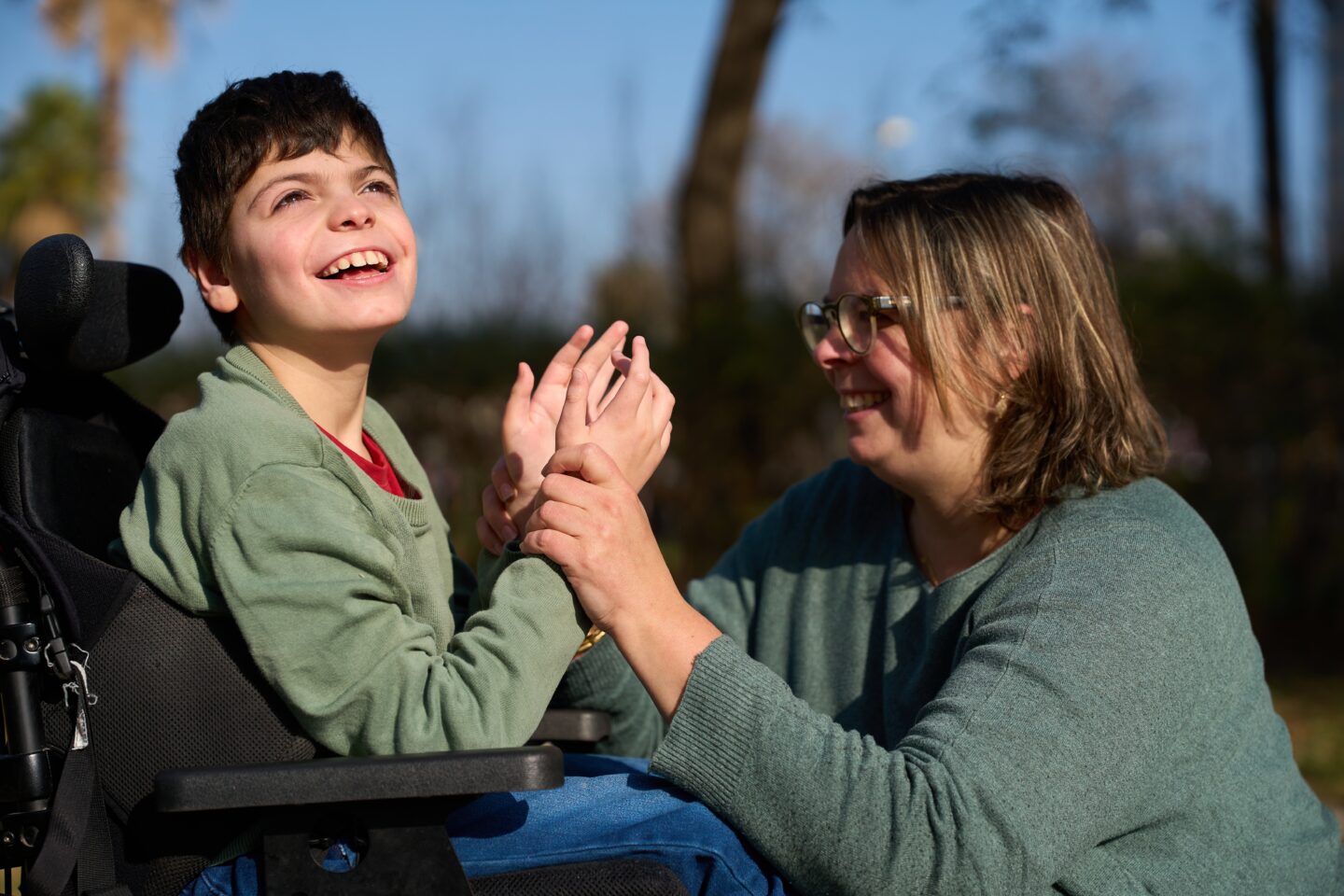
There are estimated to be more than 1.3 million people in the UK living with the long-term effects of a brain injury. Many of these survivors are supported by unpaid loved ones, who take on the role as their carers to provide essential, often full-time, care.
‘Care’, in itself, is an ambiguous term for what actually covers a multitude of things. Carers not only undertake the usual day-to-day support and assistance for their loved one, but frequently have to manage their treatment and rehabilitation, undertake administrative tasks for them and act as their advocate within health and social care systems.
Brain injuries often happen without warning, for example through a car accident or an undetected brain tumour, and carers have little to no time to ‘prepare’ for how their own lives will now be changed too. As their loved one moves through hospital care, rehabilitation and discharge, carers are often expected to absorb complex medical information, coordinate care and make difficult decisions under immense pressure. This is not a role that has a start and end time and this full-time responsibility can quickly become all-consuming.
The hidden reality of caring after a brain injury
Brain injuries can have wide-ranging and often invisible effects. Survivors may experience memory loss, changes in their behaviour or personality, fatigue and challenges with communication and understanding information. These changes can be deeply distressing for both the individual and their family.
Carers may find themselves having to adapt to a person who physically looks the same, but is cognitively changed. One of the most difficult aspects of caring in this context is the sense of grieving the loss of the person they once knew, whilst supporting the person who remains.
There is an emotional toll of caring. Many carers feel a deep sense of duty to protect their loved ones. This sense of responsibility, while rooted in love, can lead to burnout and it’s not uncommon for carers to experience stress, anxiety and exhaustion. Personal time becomes scarce, which can lead to their own social isolation. Over time, carers may find their own health and wellbeing compromised.
Financial pressures also add a further layer of strain on an already difficult situation. Being a carer may force a person to reduce their working hours or leave their job altogether. There are also the additional costs related to caring for a loved one, which can be tricky to navigate. These challenges are often intensified by uncertainty about entitlement to state benefits and available community support.
The importance of support networks
Despite these challenges, carers are not alone. Charities as well as local and national support networks play a vital role in supporting them. Carer support groups, both in person and online, provide a safe space for carers to share their experiences, access guidance and socialise with others who understand. For many, these groups offer a vital lifeline to speak openly without judgment.
Professional support, including medical support, is equally important. Access to respite care, counselling and tailored brain injury services can make a meaningful difference, helping carers to sustain their own wellbeing.
Further help is needed
Carers Week is an important opportunity to recognise the invaluable contribution unpaid carers make to families, communities and society as a whole. However, recognition alone is not enough. Carers need much more practical, emotional and financial support to reflect the scale and complexity of what they do every day.
For carers of brain injury survivors, this support must be responsive and informed by the unique challenges they face. This includes better access to rehabilitation services and education, improved coordination between NHS and community services, clearer information on what to expect, and a greater emphasis on carer wellbeing as part of the rehabilitation journey.
Behind every recovery journey is often a carer quietly holding the pieces together, supporting amidst uncertainty, advocating tirelessly and providing immeasurable care.