Breaking the stigma: supporting mental health in the Armed Forces community

Why military mental health stigma can persist
Conversations around mental health have improved significantly in recent years, both within society and across our armed forces community. However, despite growing awareness, many serving personnel and veterans can still find it difficult to speak openly about their mental wellbeing or seek support when they are struggling.
During Mental Health Awareness Week, it is important to continue encouraging honest conversations around mental health and reminding people that seeking support should never be viewed as a sign of weakness.
Our Military Claims team regularly work alongside serving personnel, veterans and their families who have experienced significant challenges during and after service. While every individual’s experience is unique, the importance of support, understanding and connection remains universal.
Military life often places a strong emphasis on resilience, discipline and perseverance. These qualities are essential within our armed forces, but they can sometimes make conversations around mental health more difficult. Some individuals may worry about appearing vulnerable, burdening others or being judged for speaking openly about how they are feeling. Others may simply be used to coping quietly on their own.
For injured service personnel and veterans in particular, adjusting to life after injury or transition from service can bring additional emotional pressures. Feelings of uncertainty, loss of identity or isolation can all affect mental wellbeing, yet these challenges are not always visible to others. This is why continuing to reduce stigma around mental health remains so important.
Early support and small conversations
Mental health challenges can affect anyone at any stage of life, and early support can make a significant difference.
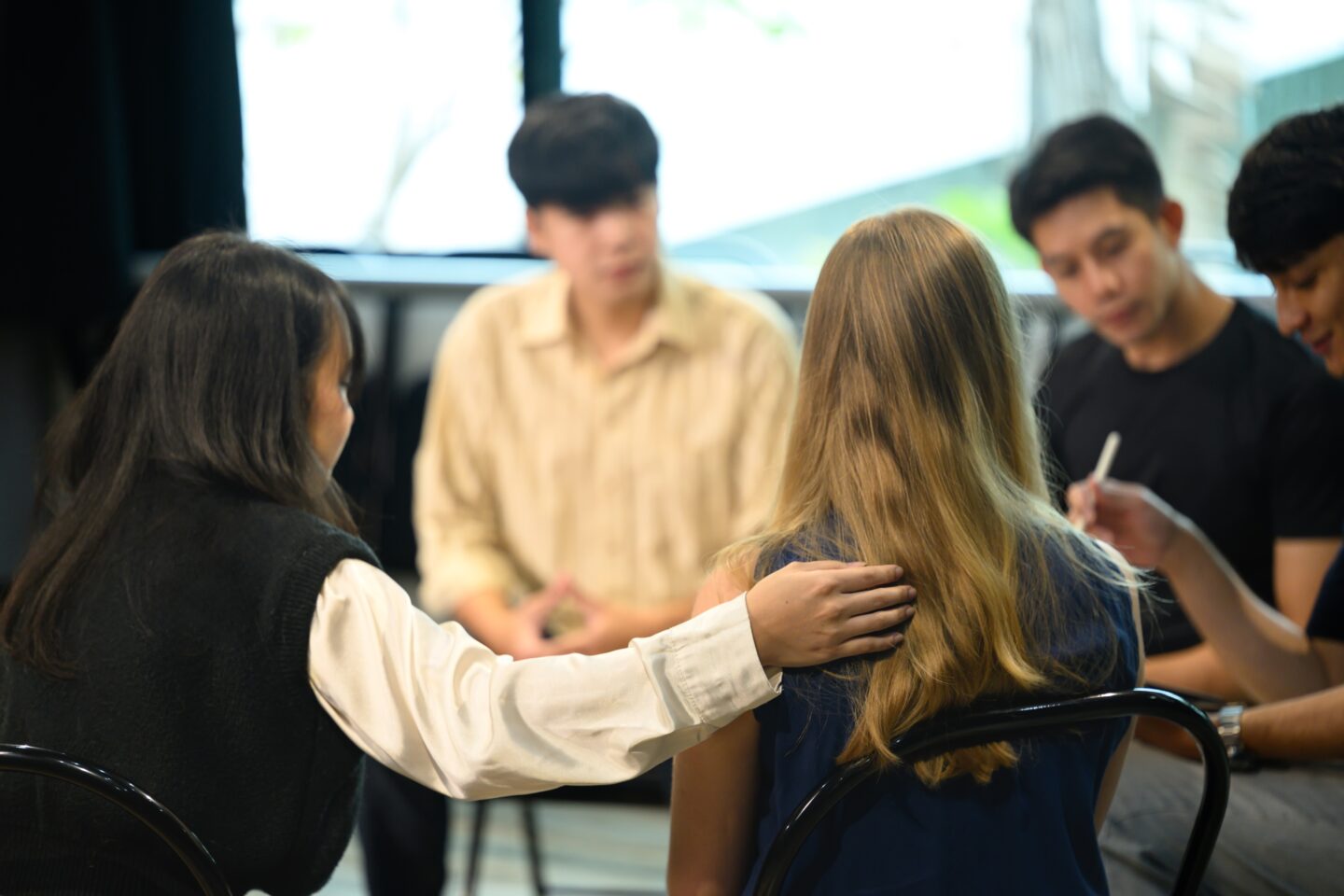
Often, small conversations can have a meaningful impact. Taking the time to check in with a friend, colleague or family member may help someone feel supported and less alone. Creating environments where people feel comfortable speaking openly without fear of judgement is equally important.
Within military communities, peer support and shared understanding can be especially valuable. Speaking with others who understand the realities of service life, injury or transition can help individuals feel connected and reassured that they are not facing challenges alone.
Community and connection for veterans
Throughout the year, we have been proud to support initiatives and events that help bring members of the armed forces community together. From supporting a veterans’ coach holiday aimed at reducing social isolation and loneliness, to attending the Army v Navy rugby match alongside guests from the military community, these shared experiences can help strengthen connection, camaraderie and wellbeing.
Next month, we are also proud to cheer and support athletes at the Strength of Spirit Games, which brings together injured service personnel and veterans through adaptive sport and competition. Events like these highlight the positive impact that sport, inclusion and community can have on both physical and mental wellbeing. For many individuals, simply feeling connected to others and maintaining a sense of belonging can make a meaningful difference.
Everyday actions that support mental wellbeing
Supporting mental wellbeing does not always require grand gestures. Often, small everyday actions are the most valuable.
This might include:
- Checking in regularly with friends, family or colleagues
- Encouraging open and supportive conversations
- Staying socially connected
- Taking part in sport or physical activity
- Recognising when someone may need additional support
- Encouraging individuals to seek professional help when needed
Supporting the armed forces community all year round
Creating supportive environments starts with compassion, understanding and recognising that nobody should feel they have to struggle alone.
While Mental Health Awareness Week helps shine a spotlight on these important conversations, supporting mental wellbeing should remain a priority throughout the year.
Our Military Claims team remain committed to supporting our armed forces community with empathy, respect and understanding, while continuing to encourage open conversations around mental health and wellbeing. By reducing stigma, encouraging connection and supporting one another, we can all help create stronger and more supportive communities for serving personnel, veterans and their families.