We need to talk about the red flags of spinal injury in the military

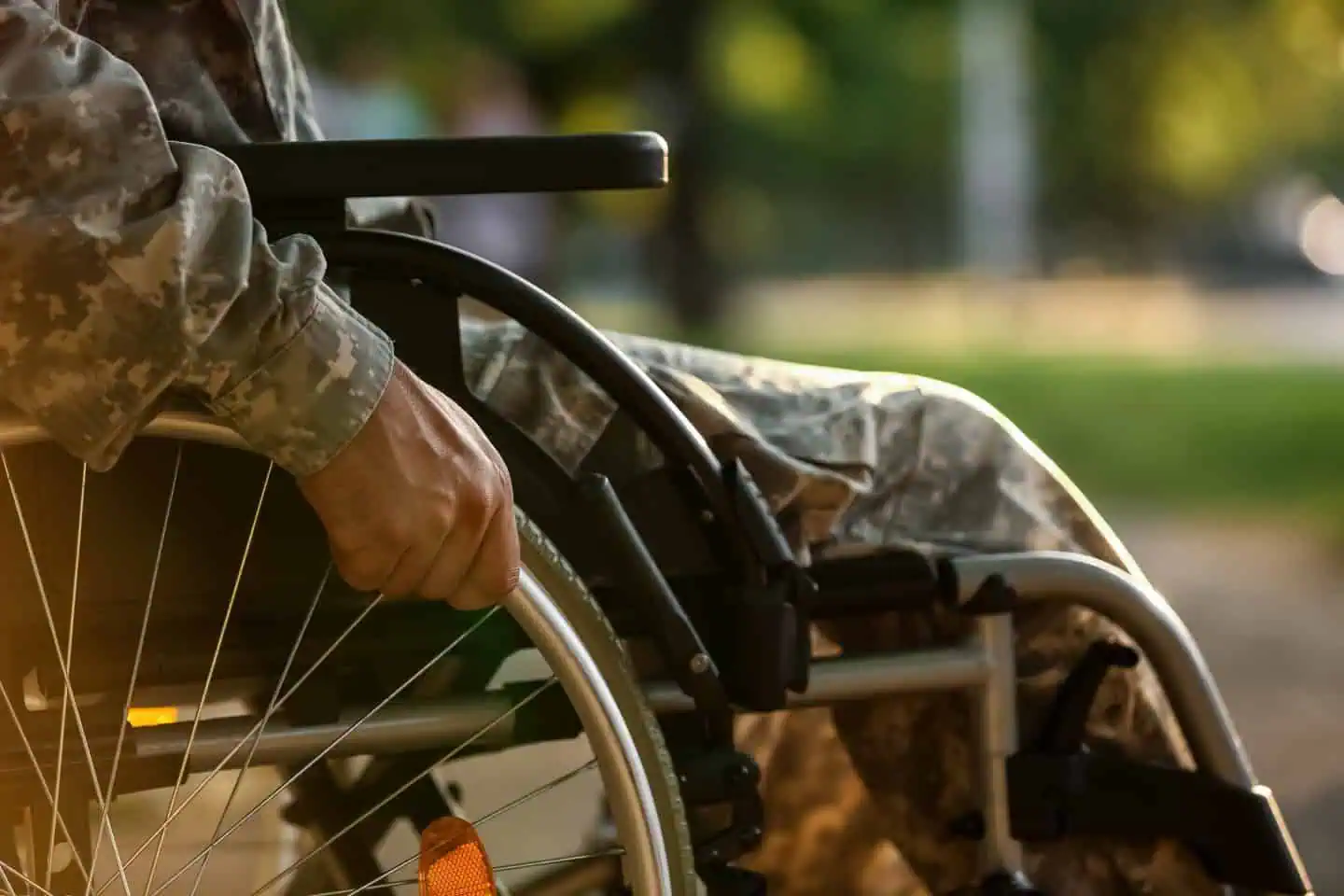
Armed Forces personnel are at risk of becoming wheelchair dependent because doctors are ignoring red flag back pain symptoms.
We all know someone with back pain. It affects 80% of the population at some point in their lives, with millions of working days lost to back-related conditions.
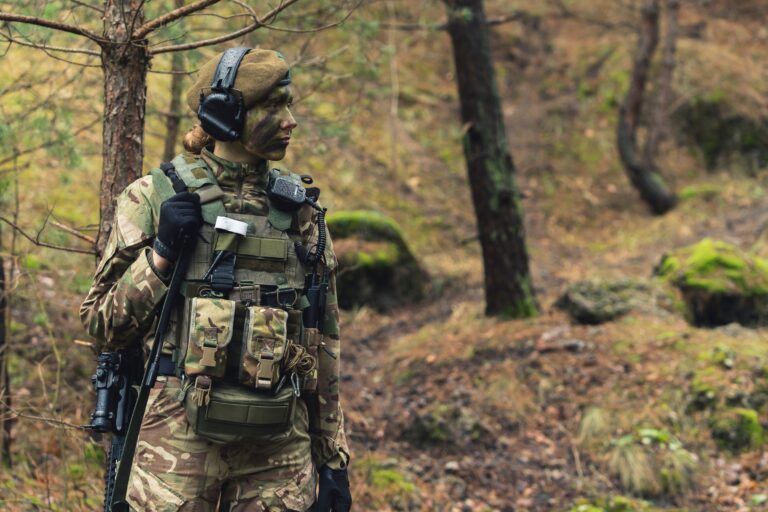
It is no surprise there is a high incidence of back pain in the Armed Forces. Military personnel are required to meet high standards of fitness, and the rigorous physical demands of military duties – especially with the weight of equipment – creates an occupational risk factor for back pain.
But their pain needs to be assessed differently to that of civilians. Doctors must recognise that service personnel are often pushed far beyond the physical limits experienced in everyday life, which can increase the risk of more serious spinal injuries. Symptoms that might be considered routine in the general population may signal a more significant problem in those who have been exposed to prolonged physical strain, heavy loads and repeated impact.
Therefore, the common assumption that back pain can be resolved with exercise, therapies or pain management, should be employed with a level of caution with Armed Forces personnel and veterans.
The Ministry of Defence’s most recent Annual Medical Discharge statistics confirm that between 2020 and 2025, back pain was the second highest cause for medical discharge of those discharged for musculoskeletal conditions in the Royal Navy and Army, and the most significant musculoskeletal condition leading to discharge in the RAF.
Catastrophic spinal cord injuries caused by trauma, disc problems compressing the spinal cord caused by overexertion, incorrect lifting and handling, and other serious conditions such as Cauda Equina Syndrome are not only career-ending, but often result in lifelong needs for care, specialist equipment and adapted accommodation.
More serious spinal conditions do have warning signs and often successful treatment can make a huge difference to a person’s outcome. These red flags are something all doctors, including military doctors should be aware of and consider when seeing their patients for back pain, and can include:
- Incapacitating pain or pain that doesn’t relent
- Progressive weakness
- Difficulty walking
- Difficulty urinating
- Numbness or altered sensation in the saddle area
- A change in sexual function/feeling
- Sudden onset of bilateral pain (going down both legs) or a change from pain going down one leg to both legs
Acting upon these symptoms as a matter of urgency and getting specialist spinal treatment can often mean the difference between holding on to your mobility or losing it and becoming wheelchair-dependent. It can also make a huge difference to retaining your bladder, bowel and sexual functions.
Yet, despite it being medically well known the difference that taking these symptoms seriously and arranging an urgent referral for spinal input can make to a patient’s outcome, I am still frequently approached by clients who have been turned away repeatedly, with their concerns being ignored, until it is too late, and their spinal injury has gone beyond being salvageable.
Many of my clients have told me over the years that when they present to their doctors, they are often dismissed and told to have physiotherapy – which in some cases has made matters worse – or told they are “swinging the lead” despite telling their doctors they are experiencing red flag symptoms.
The irony is I have lost count of the number of people who tell me they are very reluctant to report their symptoms in the first place and try to get on with things as best as they can because they don’t want to be seen as trying to avoid their duties.
So, when they do decide to see a doctor, it’s because they are really struggling. And when they are then dismissed, they often don’t push to be taken seriously and go away hoping their symptoms will improve.
Ultimately, the cost of failing to follow up on service personnel who are showing signs of a more serious spinal injury is too great and short-sighted.
Yes, there will be some people whose injury will thankfully be found to be nothing serious, but it could make a world of difference to those who might otherwise lose their mobility and independence. Healthcare providers need to do better at listening to service personnel.
At Bolt Burdon Kemp, we have a wealth of experience of securing compensation for individuals with spinal injuries suffered as a result of their service or made worse by delayed diagnosis or misdiagnosis.
We provide a free consultation service to assess and advise on whether a legal claim can be pursued by any individual, including family members, who have been affected. If you would like to speak to a member of our Military Team, please contact 020 7288 4800.
Our specialist military claims team approach each enquiry with empathy, respect and a genuine understanding of the challenges service personnel and veterans can face.