Reflecting on my first year as a Paralegal: What I’ve learnt

It has now been a year since I started working as a Paralegal in the Military Claims team at BBK. What’s more, it has now been a year in my first legal role since graduating from university, and it’s fair to say that I have learnt a lot!
How did I get here?
From an early age, I knew I wanted to do something meaningful and pursue a career that helped change people’s lives for the better. I thought that going down a legal route would help me achieve this goal, so I decided to study Law at university. During my degree, I was immediately drawn to Tort Law, a branch of Civil Law addressing wrongful acts causing injury, loss, or harm to another person. It was through studying this module that I was first introduced to civil claims, and the relevant case law, legal tests, and statutes that must be considered when bringing a claim. Not only were the cases we were considering fascinating, but the focus on helping and seeking justice for seriously injured people solidified in my mind that this was the area of law I wanted to specialise in.
What drew me to BBK?
Knowing early on that my passion lay in personal injury and clinical negligence claims, BBK immediately stood out as a Legal 500 Top 20 Law Firm specialising in serious injury claims. What’s more, the firm is so specialised that they have teams dedicated to dealing with specific injuries, ranging from spinal injuries to brain injuries.
Another factor that drew me to BBK was their core values:
- Firm first. This value focuses on putting the firm before individual interests, ensuring that everyone works together as a team to foster a positive and collaborative firm culture.
- A passion to excel in everything we do. This value focuses not only on getting the best results for clients, ensuring that the clients’ needs are at the forefront of everything the firm does, but also on getting the best people to work for BBK and supporting them in growing their careers.
- Doing the right thing. This value focuses on occupying the moral high ground, doing what the firm says it will do, and speaking up if change is needed.
These values resonated with my own and confirmed that BBK would be a good fit and a place where I would want to work.
The firm’s active campaigning was another reason why BBK stood out to me. Not only are BBK passionate about helping injured people through winning their cases, but they are also dedicated to supporting them through advocating for changes in the law. They do this through their Manifesto for Injured People, through which they present policy ideas to governments, politicians and policymakers, which they believe to be vital to improving the lives of many individuals living with serious injuries in our society.
What have I learnt?
The importance of limitation
Many people wanting to bring a civil claim are not aware of the time limitations in doing so. To issue a claim in negligence, a claimant must do so within three years of the date of injury or their knowledge of injury. This includes any injury, be that physical or psychiatric. In cases of harassment, an individual must bring their claim within six years of the last date of the harassment. It is important to emphasise these time limitations to potential clients from the outset, because if they are bringing their claim out of time, they will lose their right to compensation.
The importance of signposting
When speaking to potential clients, it might be clear early on that they are not eligible to bring a civil claim (for example, if they are bringing their claim out of time, as explained above). However, this should not preclude them from seeking help for their injuries through other means.
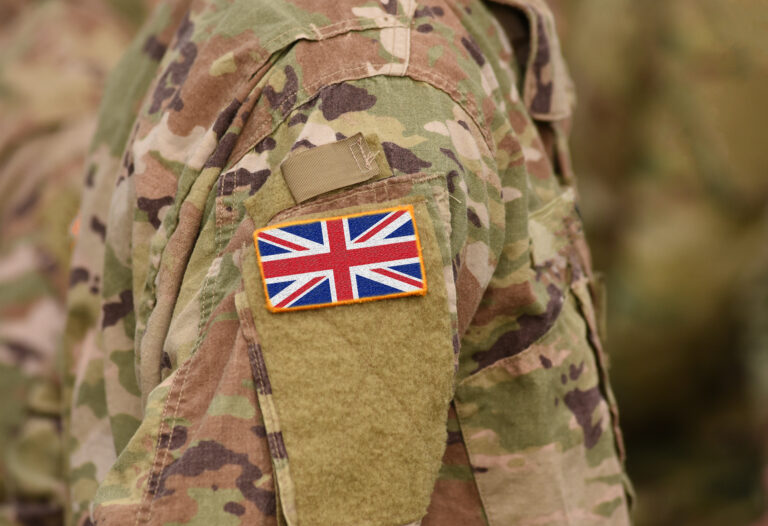
For example, UK service personnel have additional routes to financial compensation, including under the Armed Forces Compensation Scheme (AFCS) and the War Pension Scheme (WPS). A claim under the AFCS enables current and former personnel to receive compensation for service-related injuries, illnesses, or death on or after 6 April 2005. Unlike civil litigation, this is a “no-fault” scheme, meaning individuals need not prove negligence when making a claim under it. In contrast, the WPS is designed for veterans to claim compensation for any service-related injuries, illnesses, or death occurring before 6 April 2005. Again, this is a “no-fault” scheme.
There are also charities that provide a range of support for current and former service personnel. Some important charities include the Royal British Legion, which offers financial, social, and mental health support, care homes, housing support, and bereavement services, and Help for Heroes, which provides physical rehabilitation, employment support, mental health services, and wellbeing programmes for both veterans and their families.
It is important to signpost these services to individuals even if we are unable to help them pursue a civil claim, because they may still be able to receive the financial compensation they deserve and the necessary physical and psychiatric support they need for their injuries.
The importance of communication
The majority of our clients have been seriously injured, and many suffer from severe psychiatric conditions, whether that is the predominant injury they are claiming for or a subsequent injury that has arisen from a physical injury. As a result, many of our clients are vulnerable.
This means that the way we communicate with them must be tailored to them. Specifically, for clients suffering from PTSD or other forms of trauma, we must use a trauma-informed response. This is an approach that recognises the impact of trauma on the client and seeks to avoid re-traumatisation by instead fostering an environment of safety and trust, which will in turn support the client’s recovery. Therefore, using validating language, for example, validating their bravery in reaching out to us in the first place and reassuring them that it is a positive thing to have contacted us, will help rebuild their empowerment and resilience.
Crucially, we must show empathy when speaking to clients, especially since in many cases, we are the first people that clients speak to about their experiences. For victims of sexual assault and harassment, control has been taken away from them, so it is important that we give control back to them by exercising empathy and listening. We do not want to re-traumatise the clients, so instead of asking many detailed questions regarding their experiences at the outset, we let them do the talking and wait until they have built trust in us before opening up further.
If you are interested in joining BBK and helping those who have suffered a serious injury, have a look at our vacancies here.