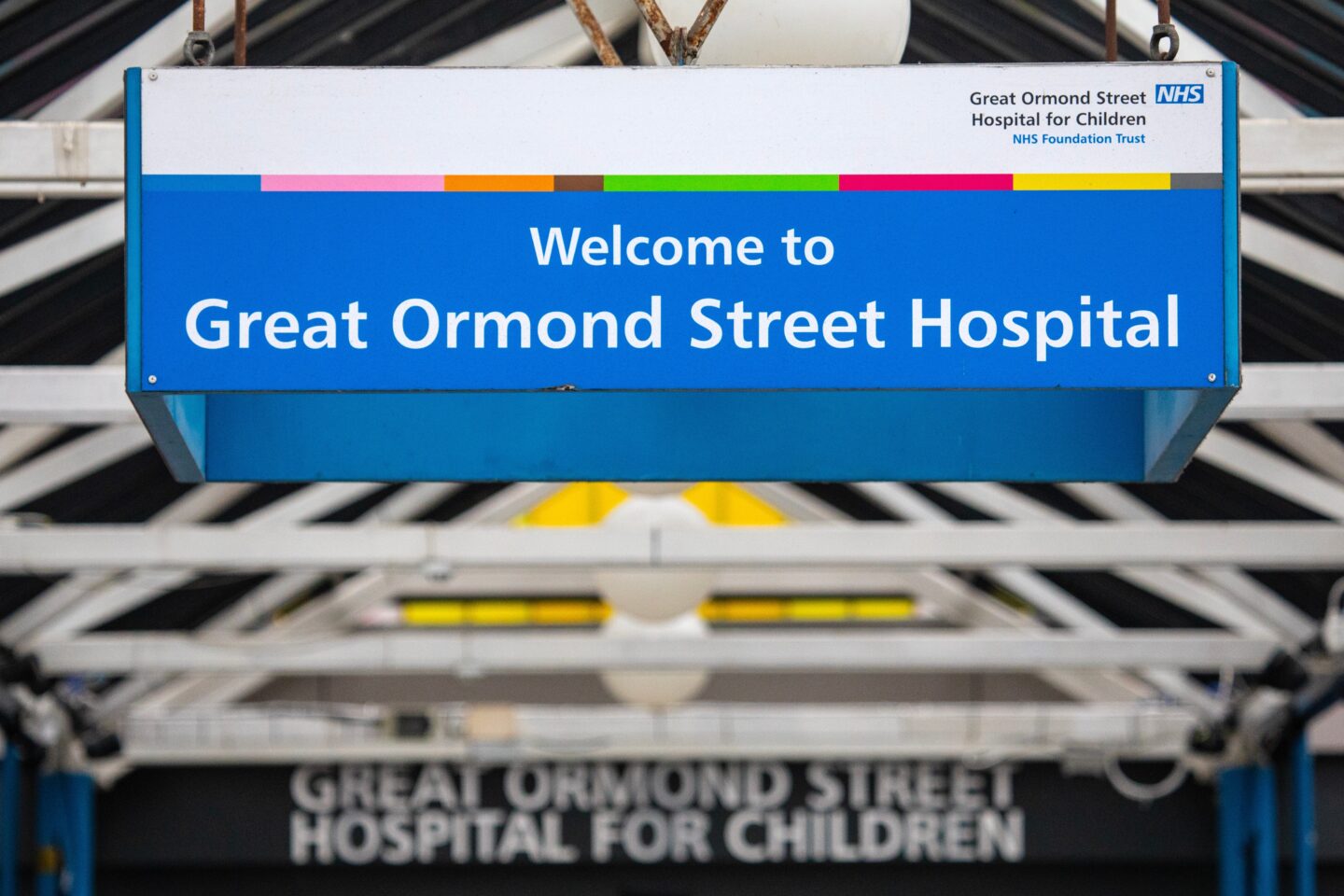
Great Ormond Street Hospital: Investigation into Yaser Jabbar concludes

Yaser Jabbar, a paediatric surgeon at Great Ormond Street Hospital (GOSH), harmed 94 children under his care at the hospital, an internal investigation has concluded.
Children were operated on unnecessarily and suffered worsening outcomes because complications weren’t spotted early enough, the final Patient Recall report into the Consultant Paediatric Orthopaedic Surgeon found.
GOSH found patients were affected by issues related not only to surgical procedures, but also by decision-making, poor pre-operative planning, inadequate follow-up, and failures in recognising and managing complications.
This investigation is a prime example of why it is important to implement an open learning culture that protects whistleblowers within the NHS. Find out more about the investigation here:
Great Ormond Street Hospital: Investigations into Yaser Jabbar escalate
Scope of investigation
Concerns were first raised by staff, leading GOSH to initiate an investigation under its professional standards policy, which was independently reviewed by the Royal College of Surgeons (RCS).
Using electronic and historical records, 851 patients were identified as having any clinical contact with Jabbar. After initial screening, 789 patient records were reviewed in full by independent experts.
Findings of investigation
Using NHS England’s nationally recognised harm framework, the reviewers found 94 cases (11.9%) involved harm that was wholly or partly attributable to Mr Jabbar’s care. There were an additional four patients harmed outside of Mr Jabbar’s practice.
The causes of harm were varied and extended beyond the operating theatre, reflecting the reality that in complex paediatric orthopaedic care, harm often arises from a chain of events rather than a single action.
The review assessed care across several key areas, including consent, assessment and diagnosis, investigations, decision-making, surgical technique, record keeping, and management of complications.
The reviewers described Mr Jabbar’s practice as highly inconsistent. While there were many examples of appropriate care, there were also recurrent deficiencies.
These included poor or incomplete documentation, inadequate consent processes, insufficient assessment and imaging before surgery, and inconsistent consultant oversight in complex cases.
More serious concerns were identified in surgical planning and technique for some patients. These included poorly documented or inappropriate surgical strategies, the use of unconventional approaches without clear justification, and technical errors during procedures. Delays in recognising and managing complications, such as infection, malalignment, non-union, and neurovascular injury, were also found to have contributed directly to patient harm.
How did this impact patients?
Mr Jabbar deviated from standard practice in a number of key areas, and this had a significant impact on his patients.
- Inconsistent and incomplete consent processes undermined informed consent and limited families’ ability to make meaningful choices for their children.
- Incomplete medical histories increased the likelihood of incorrect or incomplete diagnosis, meaning that patients might not have received the treatment that was right for them.
- The performance of unnecessary surgical procedures exposed patients to avoidable risks.
- Delays in recognising post-operative complications contributed to worsening outcomes.
What’s next for GOSH?
The RCS has made 122 recommendations to improve the practices of the orthopaedic department in GOSH. As of 9 October 2025, the RCS was satisfied that “considerable progress has been made”.
The hospital has placed a strong focus on ensuring the Orthopaedic team has the right resources, leadership and support to recover and improve. This will ensure appropriate care is provided to patients and keep them safe.
Examples of how the department is striving to improve its service includes:
- A new clear, standardised referral and follow-up pathway;
- Strengthening multidisciplinary team and mortality and morbidity meetings; and
- Implementation of regular joint meetings with the Royal National Orthopaedic Hospital for complex cases.
What should parents do if they are concerned?
If your child was a patient at GOSH and received orthopaedic treatment, particularly under Mr Jabbar’s care, you may understandably be feeling anxious and uncertain. If you have not been contacted by GOSH but remain concerned about treatment provided to your child, here are some steps you can take:
- Contact Great Ormond Street Hospital Patient Advice and Liaison Service (PALS).
You can call 0207 829 7862 or email pals@gosh.nhs.uk. PALS provides help and advice to patients, families and carers. It is a confidential service, meaning they will not share your details with anyone unless you give them permission to do so.
2. Request your child’s medical records.
This is your legal right and can provide essential information about the treatment your child received. You can request these records directly from GOSH or instruct a solicitor to do so on your behalf.
3. Contact a specialist clinical negligence solicitor.
Navigating the complexities of a potential clinical negligence claim can be daunting. As experts in this field, we can help you understand your options, investigate your case thoroughly, including getting a second medical opinion on whether the care provided was appropriate, and seek compensation for any harm your child has suffered.