Exposure to toxic fumes on military helicopters – what is being done by the MOD?

In recent years, increasing numbers of individuals in the Armed Forces have come forward with health complaints linked to their time serving on helicopters, and I am concerned injured personnel are being blocked from the compensation they deserve.
The Ministry of Defence (MOD) has been accused of knowingly exposing service personnel to cancer-causing chemicals for almost 20 years, as my colleague Jennifer Ellis previously explained in a blog for our website.
These allegations relate to a RAF Institute of Health report, dated March 1999, which identified the presence of harmful particulates in the exhaust gases from the Sea King helicopters that could be inhaled. That report made recommendations for modifications to divert exhaust gases, but the MOD failed to act.
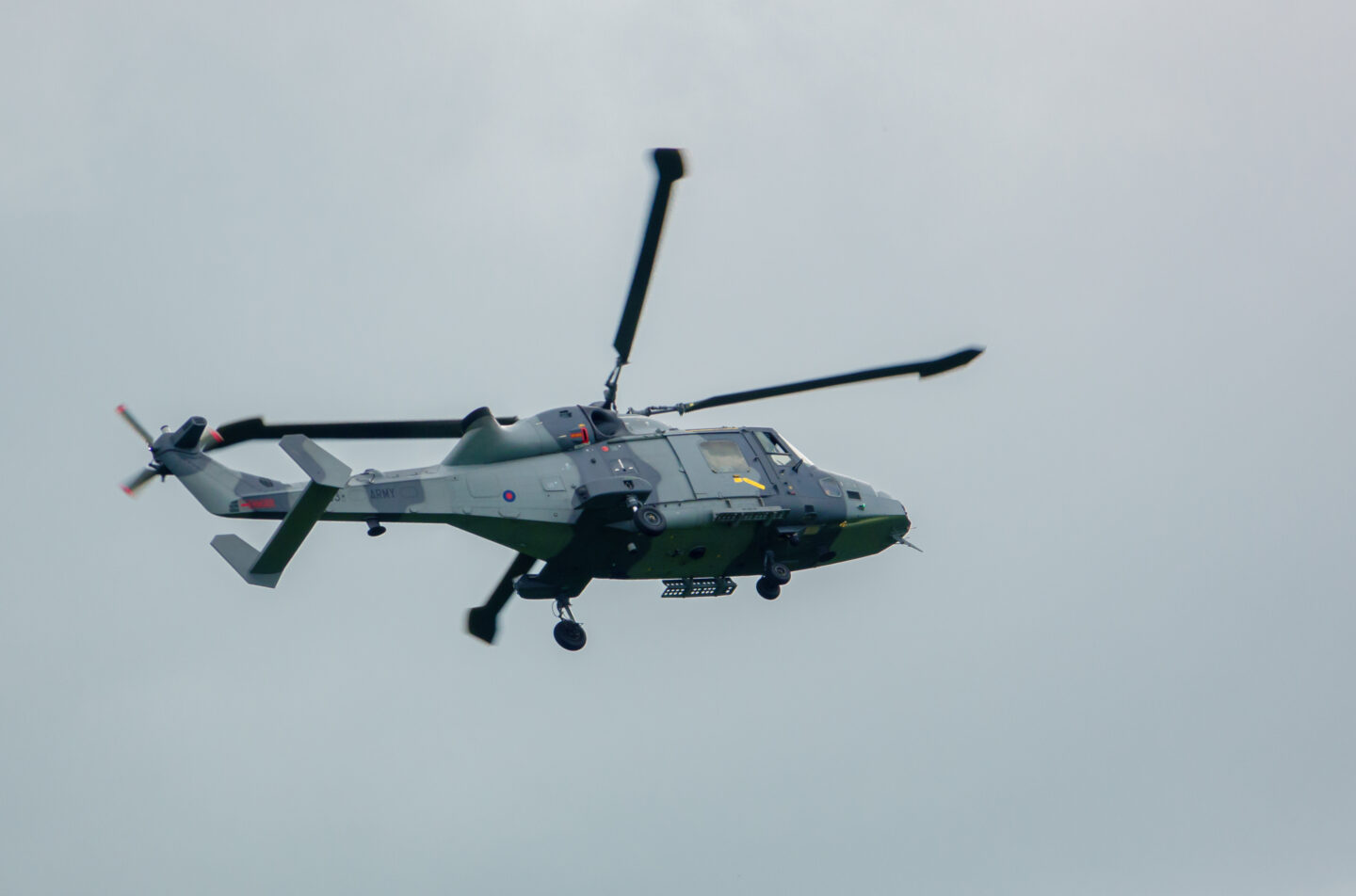
The Sea King helicopters were in use by the British military between 1969 and 2018. The Westland Wessex, Puma and CH-47-Chinook helicopters have also been linked to recent legal cases. The MOD has denied liability in these cases and has been able to rely on a report written by the Independent Medical Expert Group in 2024, which found insufficient evidence to establish a clear causal relationship between exhaust fumes and cancers.
This issue has been debated in Parliament with Alistair Carns, the Minister for Veterans, referencing the ongoing efforts within the MOD to collect and review the data that is emerging.
During that debate, important concerns were raised by MPs about the need for ongoing protection for personnel to avoid harmful exposures, and to raise awareness among the veteran community about the known risks of exhaust fumes. Politicians also spoke about encouraging health screening where possible, and the need to provide the best care and support for anyone whose health has been affected by their service.
What more needs to be done?
Having spoken to numerous personnel whose health has suffered as a result of their service on helicopters, and also having assisted personnel and veterans in navigating the War Pension Scheme and Armed Forces Compensation Scheme, I am concerned the current schemes are not adequate in compensating for these injuries or funding the specialist support and treatment that is often needed. This is something the MOD needs to review to determine whether a specialist compensation scheme is required.
I would also call on the MOD to be more vocal about what is known currently and what is still being investigated about the links between exposure to helicopter fumes and other hazardous materials, and incidents of cancer and respiratory diseases. The health and wellbeing of our service and veteran communities is key, and I hope this issue will not be overlooked and dismissed in the way it clearly has been in the past.
At Bolt Burdon Kemp, we have experience of securing compensation for individuals who have been diagnosed with cancer and other respiratory conditions as a result of their service. We provide a free consultation service to assess and advise on whether a legal claim can be pursued by any individual, to include family members, who have been affected. If you would like to speak to a member of our Military Team, please contact 020 7288 4800.