Reflections from the APPG on Maternity meeting re Birth Conversations

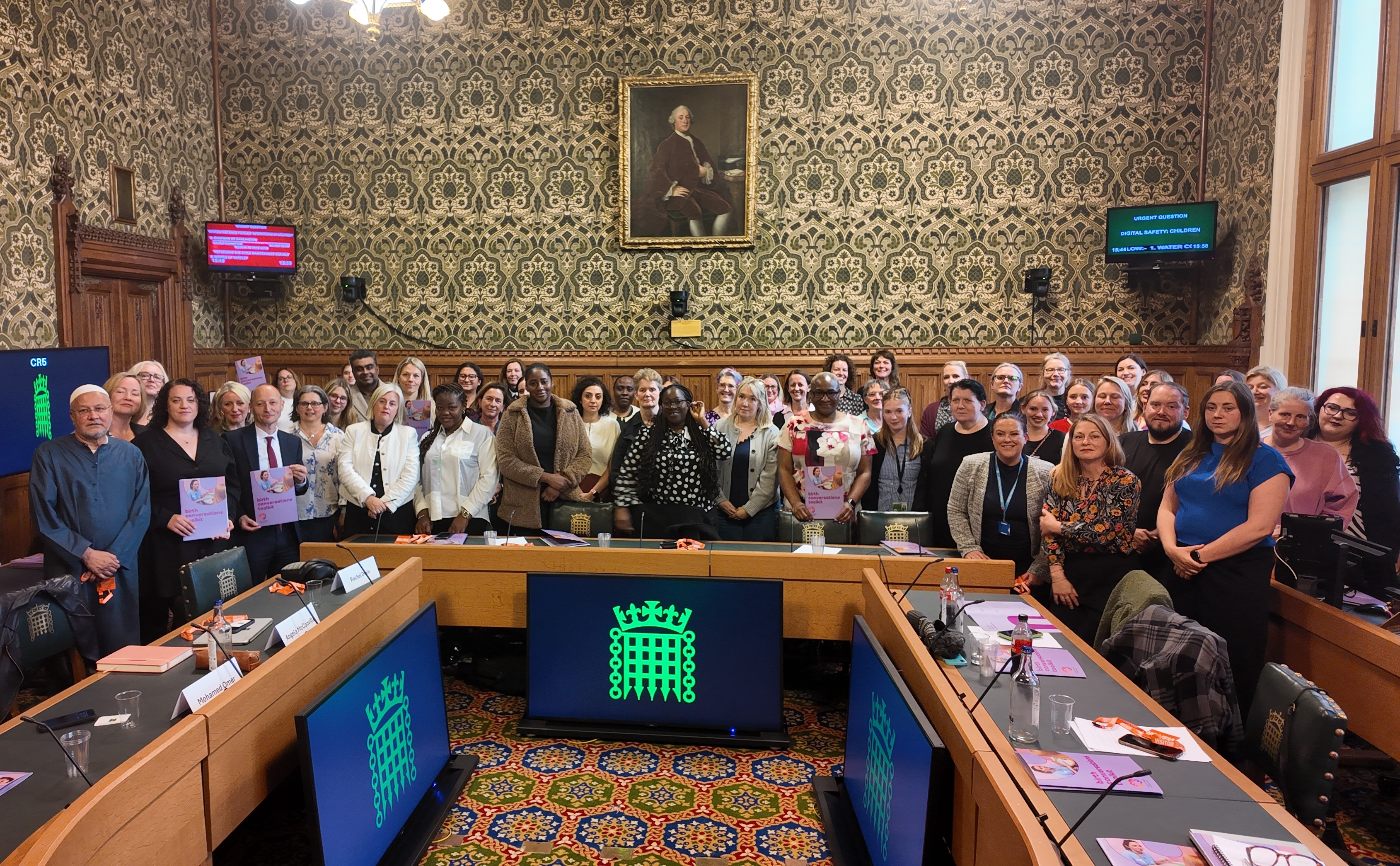
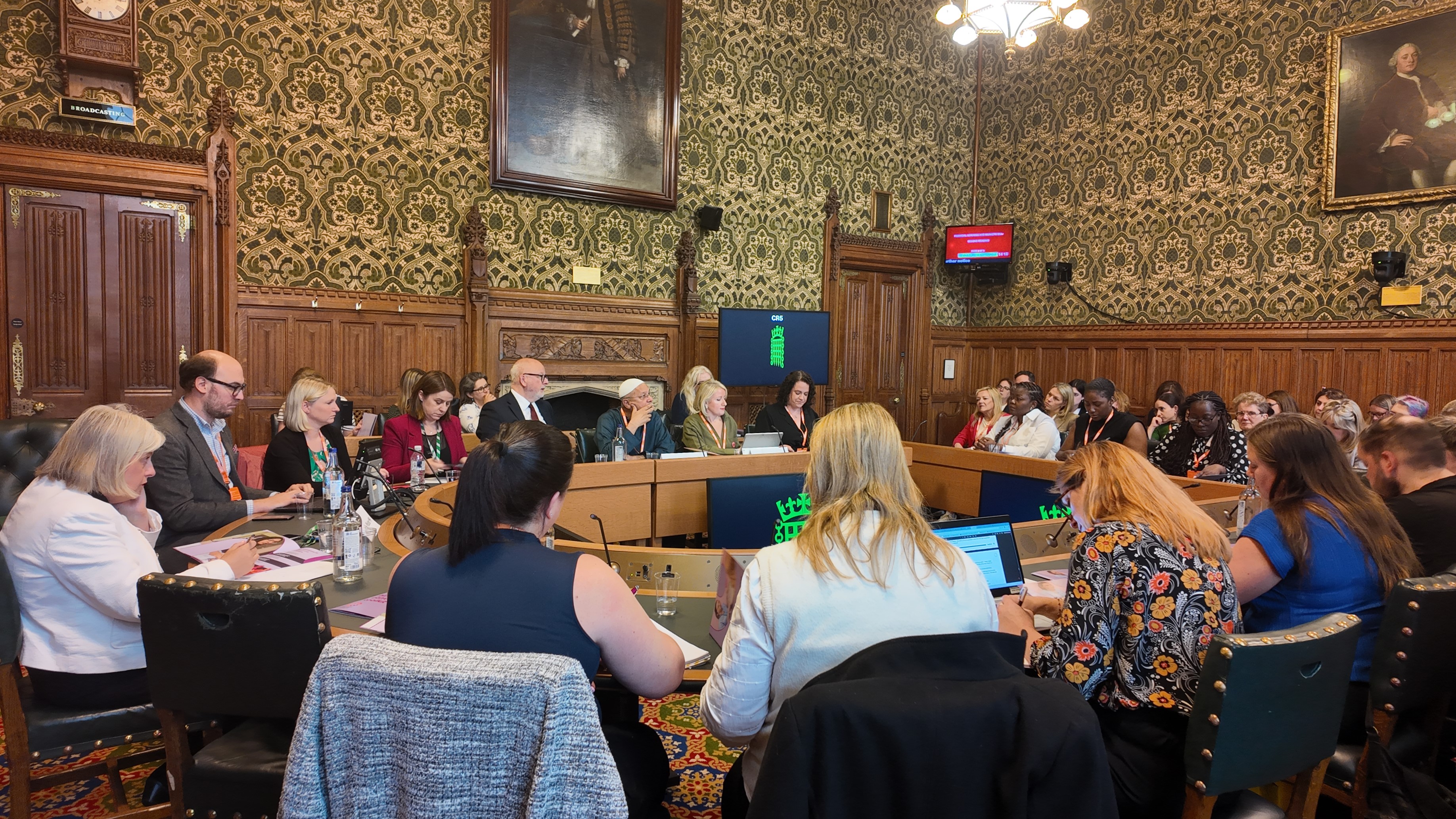
I was pleased to attend the All-Party Parliamentary Group (APPG) on Maternity recently.
We heard from Rachel Drain from The Royal College of Midwives on their newly published Birth Conversations Toolkit, Mohamed Omer MBE from the National Burial Council and Co-Founder of Gardens of Peace and Angela McConville, the CEO of NCT, as well as families with lived experience of birth trauma. It was also fantastic to see Michelle Welsh, MP, chair of the APPG following her recent appointment as the government’s first Maternity Adviser.
The discussion was wide-ranging and covered topics including the inequalities in care facing too many families, and the postcode lottery in accessing proper support, care and, if needed, therapy after a traumatic birth. There aren’t currently any national guidelines or standards for providing support and answering questions after giving birth. This could make a huge difference. Another topic of conversation was the importance of including fathers and partners in the support offered – their trauma after witnessing their partner and baby being injured is often ignored.
Rachel Drain from The Royal College of Midwives spoke about their new ‘Birth Conversations Toolkit’, which has been launched to provide guidance to midwives to help deliver consistent trauma-informed birth conversations that support women in processing traumatic birth experiences. With rising evidence of the impact of compromised autonomy in maternity care, the toolkit emphasises the need for well‑trained midwives who have the time, resources, and infrastructure to provide safe, effective postnatal reflections. Aimed at policymakers, service planners, and frontline staff, it offers practical guidance to standardise services, reduce regional inequalities, and protect women from the harms caused by inadequate support. The toolkit, which you can read here, was co-produced with mothers who have experienced trauma, as well as charities and support groups, and it’s a fantastic resource. So often, we see clients who have experienced birth trauma left feeling that they were not properly supported or heard during, or after, their birth.
These vital discussions come at a pivotal time for maternity care in this country, with the reports from both the National Maternity and Neonatal Investigation, and the Ockenden Maternity Review into Nottingham University Hospitals NHS Trust expected imminently. I desperately hope that we will see some real change in this country’s maternity services soon. However, recommendations alone are not enough; we need to see real investment in these services to facilitate change, to allow the recommendations to be implemented properly so that better outcomes for mothers and their babies can be achieved.
I must also acknowledge the bravery and determination of the families who contributed to the APPG and those who have told their stories as part of the ongoing inquiries. I am sure the focus on this issue will make the next few weeks a difficult time for them. We must make sure their stories have not been told in vain.