Hope for safer births as experts share solutions at first birth trauma conference

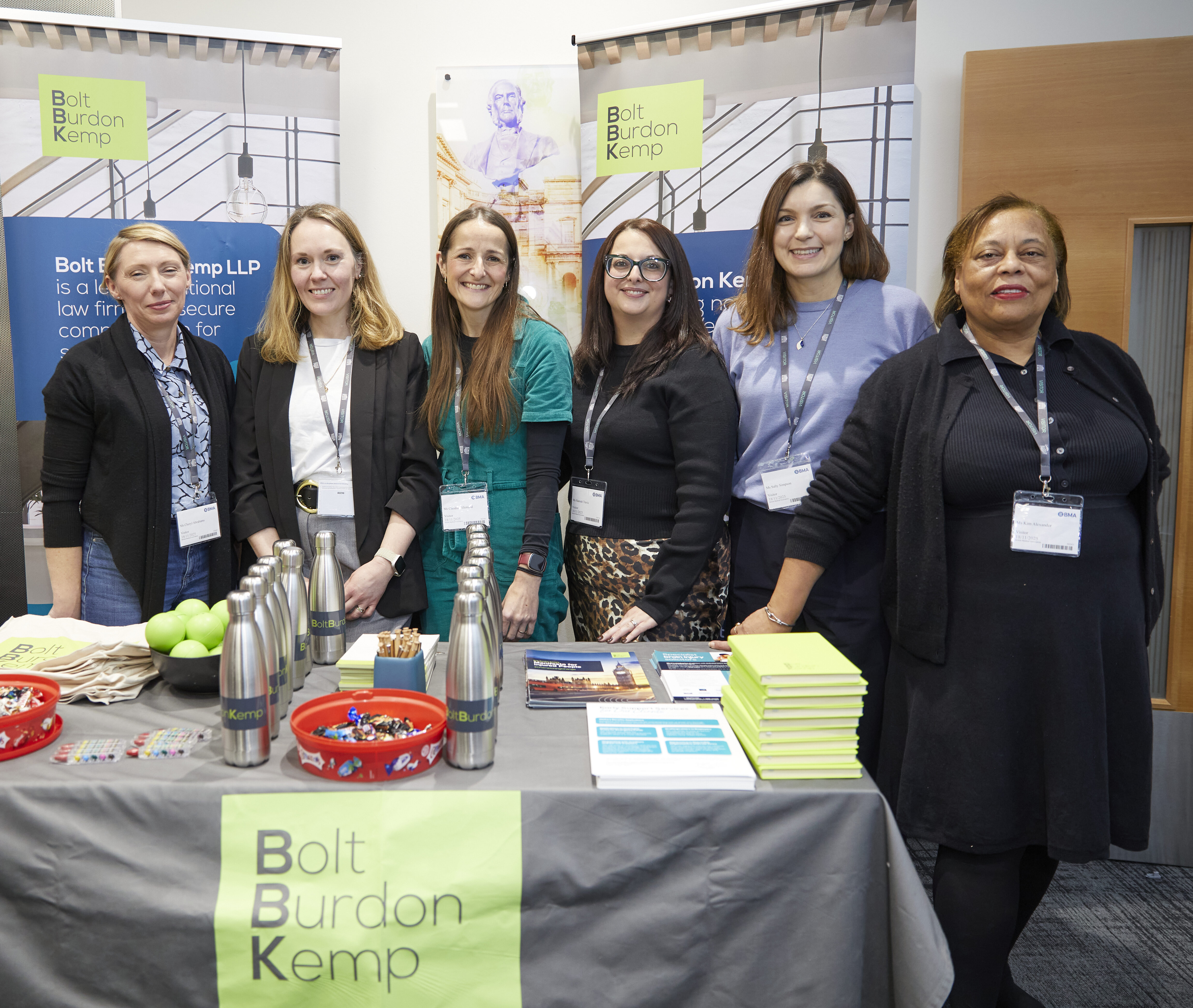
Some of the UK’s best minds in maternity care came together for an exceptional conference into birth trauma, sponsored by Bolt Burdon Kemp.
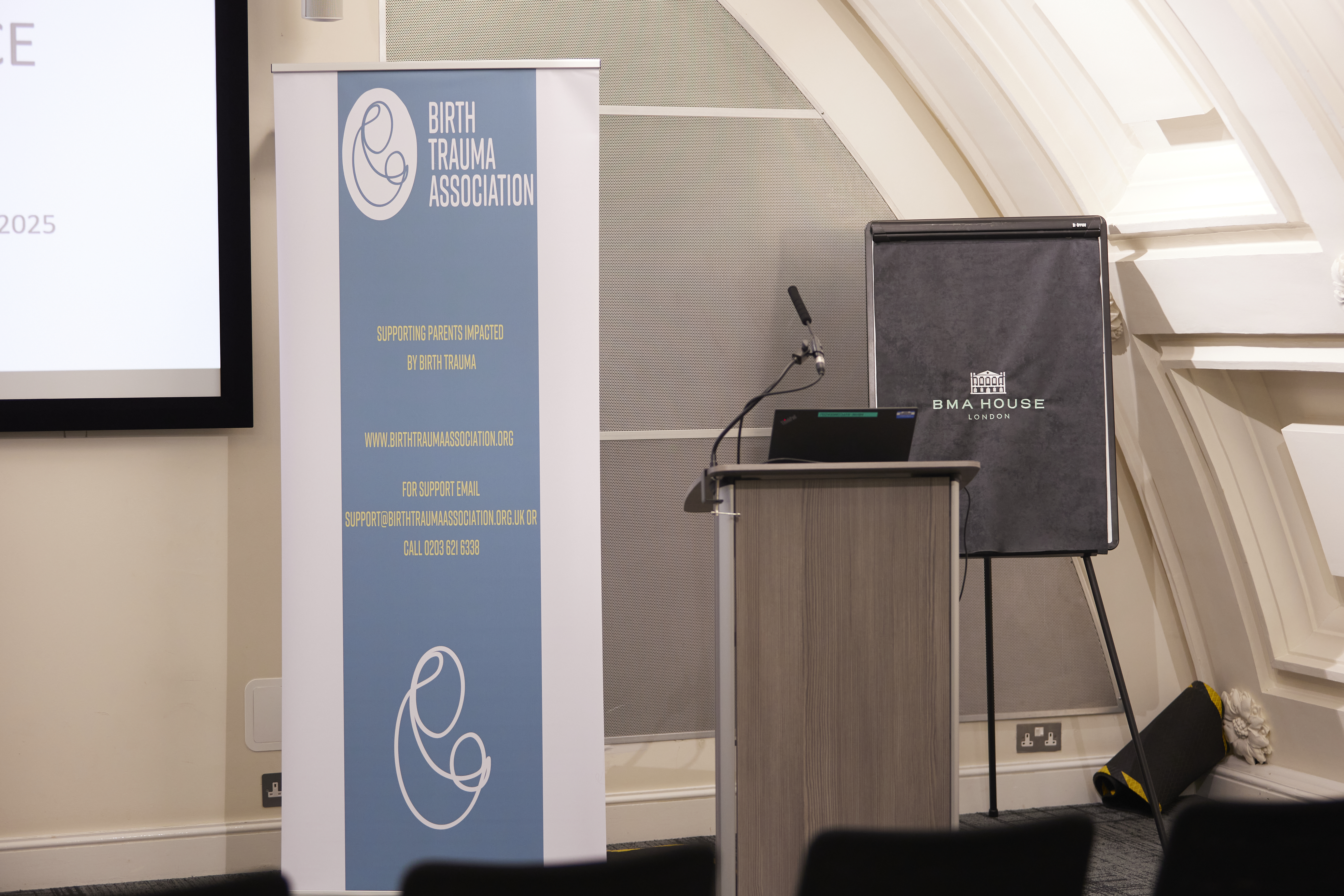
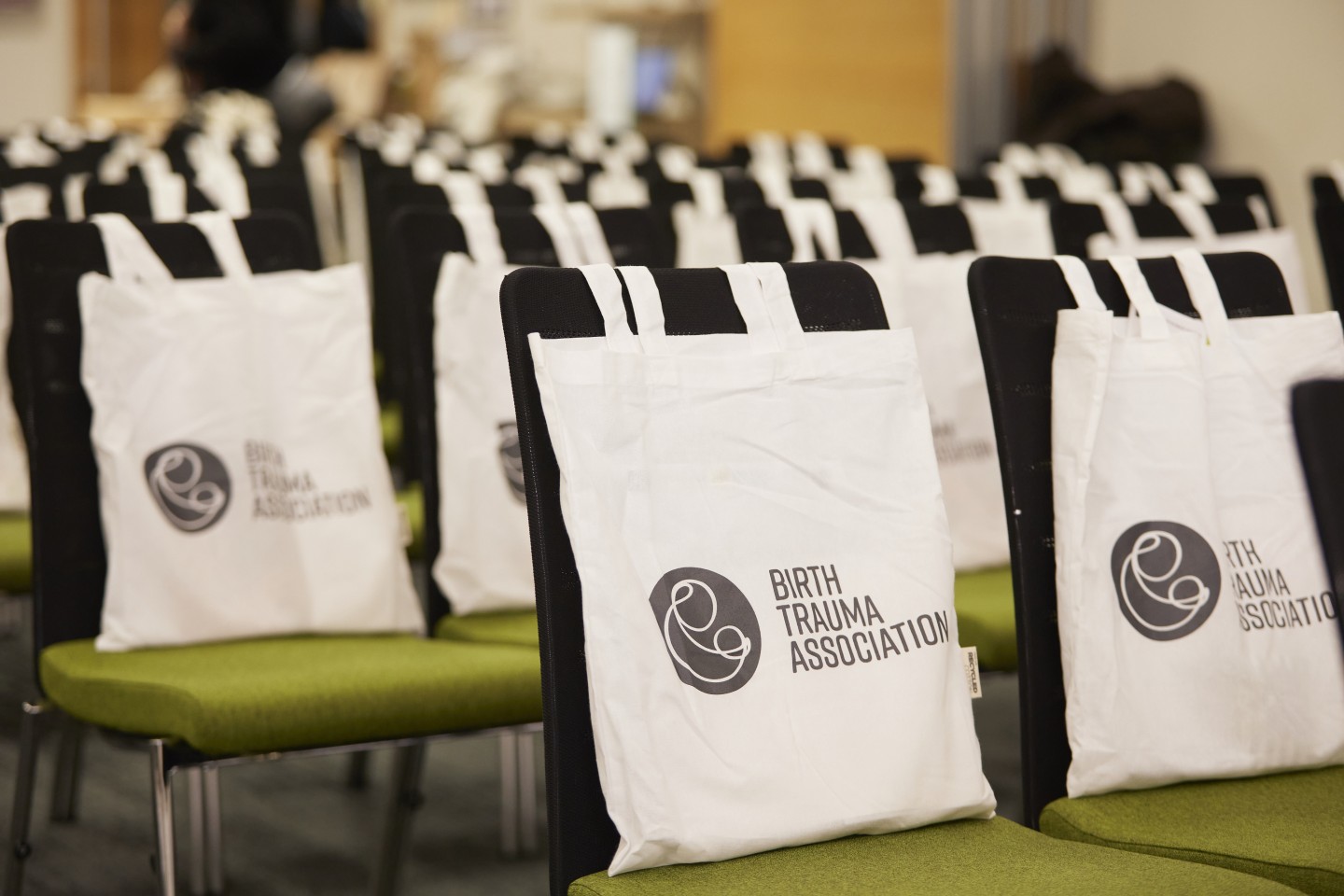
The Birth Trauma Association held its first conference into improving maternal safety last week and what an impressive event it was.
Leading Medical clinicians, parents who have experienced birth trauma, and politicians campaigning for change, joined forces to share ideas on how to improve the maternity and neonatal care provided by the NHS.
As solicitors representing families who have endured traumatic experiences, we lobby for better systems and policies, and were proud to sponsor this important summit.
The passion at the conference and the calibre of the speakers showed just how much determination there is to bring positive change in maternity services.
I attended the conference with colleagues from our specialist women’s health and child brain injury teams, and our guests from charities MASIC, Peeps H.I.E, the Wellbeing of Women and MamasEmbrace.
The day was driven and hosted by Kim Thomas, the CEO of the Birth Trauma Association and a formidable positive force.
What the Government is doing
We heard from Baroness Merron, Parliamentary Under-Secretary of State for Women’s Health and Mental Health, about the National Maternity Review which is expected to give recommendations in the spring. Baroness Merron explained the immediate actions being undertaken by the Government to improve maternity care, confirming funding is being put directly towards research into discrimination. This will provide evidence to drive the change needed to prevent continued unacceptable racial inequalities in maternity care.
Baroness Merron also confirmed her team is reviewing the Women’s Health Strategy to align it with the 10-year health plan, as announced by the Government in October.
Mother tells her story
The morning’s most powerful presentation was from Jenny Clough, mother of little Ada who suffered Hypoxic-Ischemic Encephalopathy (HIE) at birth. Tragically, this injury was preventable and Jenny explained the impossible challenges the family now faces daily in trying to get access to help for Ada.
Accessing treatment and funding is a huge problem for so many families. Jenny’s moving and thought-provoking presentation struck a chord with many in the room who have suffered injury and loss.
Dr Chris Dewhurst, consultant neonatologist at Liverpool Women’s Hospital, gave an exceptional talk on HIE and it was encouraging to hear all the safety measures in place to reduce these events. However, Dr Dewhurst explained the maternity tariffs from the NHS do not cover the cost of the safeguarding procedures in place at Liverpool Women’s Hospital. In fact, it costs the Trust £3,500 per baby to provide safe care. These figures are significant and make it impossible to balance the books. How are clinicians supposed to provide the safest care without sufficient funding?
NHS culture
We had panel discussions with medics and parents to discuss what can be done to change the culture in the NHS. Solutions included providing better education to families and continuity of care.
Consent was a feature throughout many of the presentations during the conference. Balancing the challenges of providing lifesaving treatment in emergency situations and minimising psychological trauma can be difficult to compute. Everyone agreed more information should be given to women during antenatal care and more time allowed for midwives and clinicians to provide this tailored information.
Consent becomes complicated further when interpreters are needed, which is a significant obstacle faced by many families and clinicians alike. Asking a scared woman to make significant, complex decisions in an emergency setting through an interpreter is fraught with peril.
As Professor Angie Doshani, consultant obstetrician and gynaecologist, said: “If I wouldn’t trust my junior doctor to explain something so complex, how can it be right that an interpreter is expected to do so?”
Technological innovations giving us hope
One of the highlights of the conference for me was hearing from Dr Sindhu Natarajan, a public health physician, about the successful E-MOTIVE trial studying the early detection and treatment of postpartum haemorrhage (PPH).
The trial was the biggest ever undertaken into PPH and the results were so great that it has been rolled out across the UK, and across many countries worldwide.
E-MOTIVE reduces severe bleeding by 60% in vaginal births, and significantly reduces maternal deaths. There was no new medical treatment provided, just some simple practical steps to manage this common condition after delivery. It was a really positive and insightful talk.
We also heard from Professor Andrew Weeks, a professor of international maternal healthcare, about instrumental delivery and research into making it less traumatic. This was another positive discussion about using innovative research to reduce harm.
NHS staff challenges
The afternoon also saw a panel discussion chaired by Rosie Duffield MP, co-chair of the Birth Trauma Inquiry published in May 2024. The panel discussed staff morale and how goodwill within maternity services will only go so far. Many of the staff are suffering burnout, with one in five midwives leaving the profession.
There was also talk of ‘change fatigue’, with so many new recommendations being made but very few being followed through. There was concern about the lack of direction within the maternity services to make positive change. Dr Alison Wright, consultant obstetrician and gynaecologist, and incoming president-elect of the Royal College of Obstetricians, promised more slack in the system to give clinicians time to provide safe care.
Another of the panellists, midwife Natalie Patterson, succinctly said: “Maternity services should be trauma-reducing, not trauma-inducing.”
Finally, we heard from Theo Clarke, former MP and co-chair of the Birth Trauma Inquiry. Having suffered birth trauma personally, Theo was uniquely placed in the former government to drive the inquiry forward.
Moving forward
No one is pretending the task is easy, but it is an issue that affects everyone. Clinicians are not provided with the support needed to make change from within. Indeed, I heard how difficult it was for many to even attend these events because of funding.
There is much that has already been done towards identifying the changes needed, and practically how these can be implemented. Some hospitals, such as the Liverpool Women’s Hospital are achieving safe care, but at a significant financial cost.
The Birth Trauma Association provided an opportunity for some of the best minds across many backgrounds to achieve an enormous amount. We are so proud to have supported the conference and continue to support the Birth Trauma Association.
We are passionate about facilitating positive change, and I have no doubt change will continue to flow for the better as a result of this conference.