We understand that the period immediately following a brain injury can be overwhelming for both the injured person and their family. Access to rehabilitation at the earliest possible stage can make a significant difference to recovery and long-term outcomes.
Where appropriate, we work to secure funding for medical treatment, therapies, rehabilitation and professional care as early as possible, rather than waiting until a claim concludes. This often involves seeking interim payments to ensure our clients can access the support they need when they need it most.
Early Support Service
From the outset, we offer practical assistance through our Early Support Service.
A serious brain injury can have a profound impact on every aspect of life. Alongside the immediate medical challenges, many individuals and families face concerns about employment, finances, housing, travel and day-to-day living. Hospital treatment and specialist rehabilitation may take place far from home, creating additional pressures for loved ones.
Whatever your circumstances, our experienced team will help guide you through these early stages. We use our knowledge, expertise and professional networks to identify the right support, helping you and your family navigate the challenges that often follow a serious brain injury.
Find out more about our Early Support Service.
Rehabilitation after brain injury: why it matters
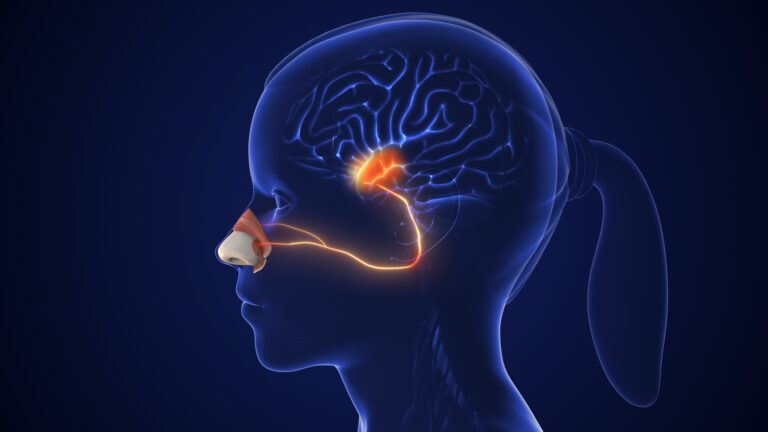
Unlike many physical injuries, the brain cannot simply heal in the same way as a broken bone. However, through rehabilitation, the brain can often adapt and reorganise itself, a process known as neuroplasticity. This can help maximise recovery and improve quality of life.
Brain injuries can affect a person’s physical abilities, thinking and memory skills, communication, emotions and behaviour. These changes can impact relationships, education, employment, independence and mental wellbeing. Every person’s experience is different, and recovery can take months or even years.
Specialist rehabilitation helps individuals build new skills, regain lost abilities where possible, and develop strategies for managing ongoing challenges. It can also provide valuable support for family members adjusting to life after injury.
Rehabilitation programmes commonly focus on:
- Improving physical strength, mobility and coordination
- Developing communication, memory and cognitive skills
- Promoting independence in everyday activities
- Supporting emotional wellbeing and psychological adjustment
- Helping individuals achieve the best possible quality of life
Rehabilitation and support during a claim
Where possible, and often once responsibility for the injury has been accepted, we will seek funding to appoint an experienced brain injury case manager.
The case manager plays a central role in coordinating rehabilitation, therapy and care. They work closely with the injured person, their family and a team of specialists to develop a personalised programme tailored to the individual’s needs and goals.
Rehabilitation
No two brain injuries are the same, which is why rehabilitation packages are carefully tailored to each individual.
A neuropsychologist will often lead a multidisciplinary team of professionals who work together to support recovery. Depending on the person’s needs, rehabilitation may include:
Neurophysiotherapy
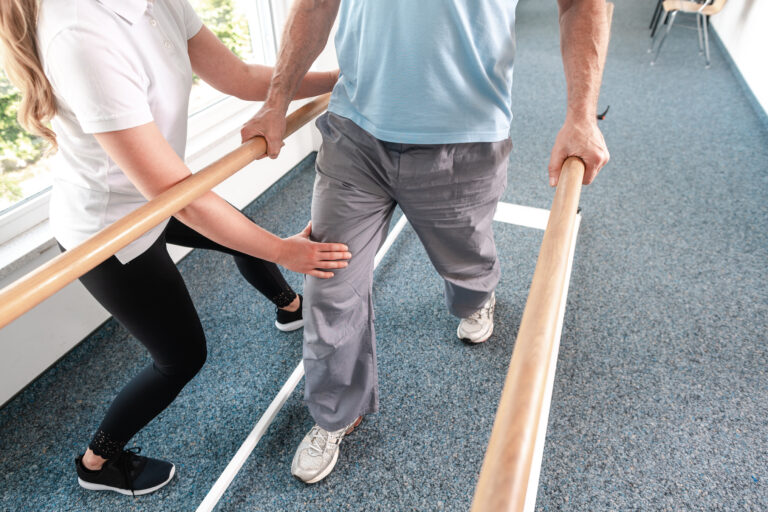
Supporting movement, balance, strength and mobility, helping individuals improve physical function and maximise independence.
Speech, language and communication therapy
Helping individuals develop communication skills, improve speech and social interaction, and address difficulties with eating, drinking and swallowing.
Neuropsychology
Supporting the cognitive, emotional, behavioural and psychological challenges that can arise following a brain injury.
Neuropsychiatry
Assessing and treating mental health conditions, emotional difficulties and behavioural changes associated with brain injury.
Education and vocational support
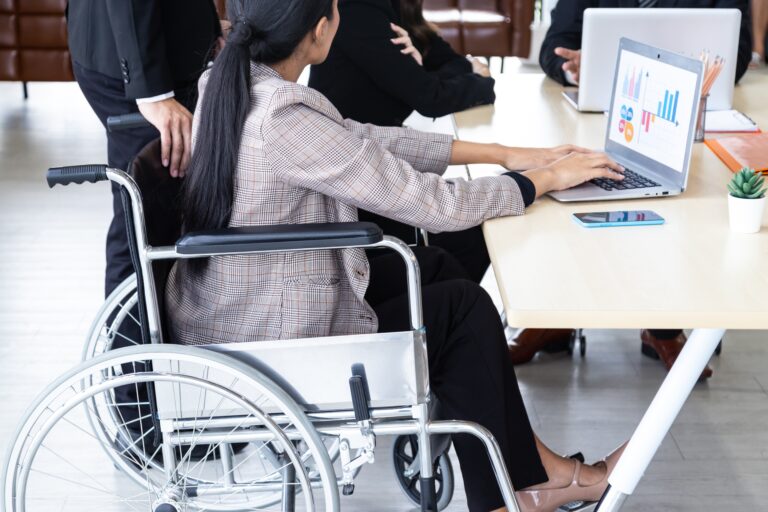
Helping individuals access appropriate educational opportunities, return to learning, retrain for a new career or, where possible, return to work.
Occupational therapy
Supporting independence in everyday life, including personal care, household tasks, leisure activities and work-related skills. Occupational therapists can also assess the need for specialist equipment, adaptations and assistive technology.
This may include:
- Assistive technology, such as communication devices or eye-gaze technology
- Specialist equipment, including wheelchairs, hoists and other disability aids
- Adapted vehicles to support transport and independence
- Adapted accommodation designed to meet the individual’s rehabilitation and care needs (link to importance of accommodation page)
Care and ongoing support
Following discharge from hospital, many people with a brain injury require significant care and support.
Initially, this responsibility often falls to family members and loved ones. While families play a vital role in recovery, we recognise the physical and emotional demands this can place upon them.
Where appropriate, we seek interim payments to fund professional care and support. This allows family members to focus on being a partner, parent, sibling or loved one, rather than taking on the role of full-time carer.
Professional care may be provided by experienced support workers, rehabilitation assistants or nurses. These teams are often coordinated by the case manager, ensuring that care and rehabilitation work together to support the individual’s recovery, independence and quality of life.